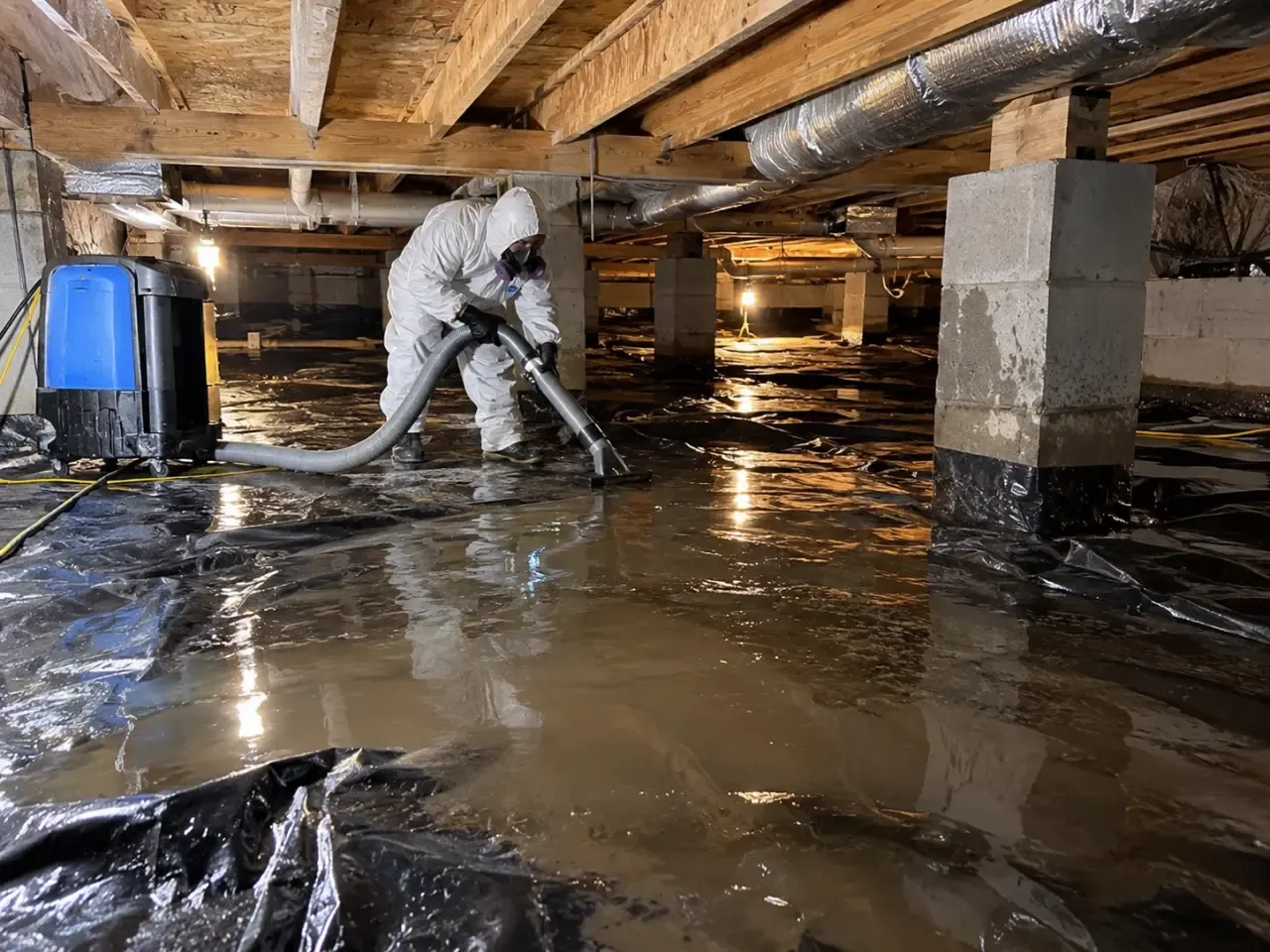
Emergency pumping, extraction, and drying for Milwaukee basements
Basement Water Removal Milwaukee WI That Gets Water Out
Basement Water Removal Milwaukee WI gives homeowners and property managers a direct response to standing water, soaked flooring, and wet basement walls. Milwaukee Water Pros removes water, checks how far moisture has traveled, and starts drying before damp materials sit untreated. Call us for a burst pipe, sump pump failure, stormwater intrusion, or sewage backup; we'll explain the next step and get the water moving out.
Live dispatcherUpfront optionsBacked workmanship
What's included
What Basement Water Removal Includes
Basement Water Removal includes an initial safety and water-source check, extraction of accessible standing water, moisture assessment, and a drying plan for affected materials. We explain any additional work before proceeding. Sewage decontamination, extensive demolition, plumbing repairs, and reconstruction are separate tasks when the source or damage requires them, so you can see how each stage fits into restoring the basement.
Water Source Assessment
We inspect where water entered and determine whether a pipe, appliance, sump system, drain, or foundation opening is involved. Identifying the source helps prevent repeated flooding during extraction. We also check whether the water may be contaminated before choosing cleanup methods.
Standing Water Extraction
We use a pump for deeper water and extraction equipment for remaining water on accessible surfaces. The equipment choice depends on water depth, floor finish, access, and debris. Removing bulk water is the first practical step toward protecting nearby materials.
Moisture Checks
We measure affected flooring, drywall, and other accessible materials to locate moisture that cannot be judged by sight alone. These readings guide equipment placement and help track drying. If water has moved behind a wall or under flooring, we explain the next inspection or removal step.
Drying Equipment Setup
We position air movers and dehumidification equipment to circulate air and pull moisture from the room. Setup reflects the affected area rather than a generic room arrangement. We return to review readings and adjust the equipment as materials dry.
Cleanup Guidance
We explain which wet contents or porous materials need separate handling and what can remain in place during drying. For contaminated floodwater, cleanup requirements differ from a clean supply-line leak. You receive a clear handoff for further cleaning, repairs, or mold remediation when needed.
Service overview
Milwaukee Basement Water Removal, Explained
Basement Water Removal Milwaukee WI is an emergency water mitigation service that extracts standing water and begins drying a flooded basement before moisture causes further damage. We first identify the water source and assess whether the water is clean, gray, or contaminated. Then we use pumps or extraction equipment to remove bulk water, measure moisture in floors and walls, and set drying equipment where readings show it is needed. The job is not finished when the visible puddle disappears; hidden moisture in carpet padding, insulation, and wood framing needs attention too.
Milwaukee homes face basement flooding from intense rain, frozen or burst pipes, failed sump pumps, appliance leaks, and sewer backups. Older foundations and finished lower levels can make a small leak travel behind drywall or under flooring. Our Milwaukee basement water removal work starts with safety and source control, then moves to water extraction and a measured drying plan. If you need 24/7 basement water removal in Milwaukee WI, call while water is still accessible; earlier extraction can limit damage to belongings and building materials.

How we workWe verify the cause, compare realistic options, and confirm the repair before we leave.
The service timeline
What Happens During Water Removal
The process flexes to the condition, but these checkpoints keep decisions clear.
Safety Check
On arrival, we look for electrical hazards, sewage, unstable materials, and active leaks before entering standing water. We ask you to keep people and pets out of the affected area until hazards are assessed. If water is near electrical equipment, stay clear and use the appropriate utility shutoff rather than stepping into the water.
Source Control
We trace the water to a burst pipe, appliance, sump system, foundation entry point, or drain backup. If the source is a plumbing failure, we isolate the affected supply where possible and coordinate the next repair step. Stopping new water is essential; otherwise, extraction equipment is working against an ongoing leak.
Water Extraction
We pump deeper standing water first, then use a truck-mounted water extraction unit or portable extractor for remaining water on accessible surfaces. The amount of water, floor layout, and debris determine the equipment and time required. You will see the water level drop before we move on to detailed moisture checks.
Moisture Mapping
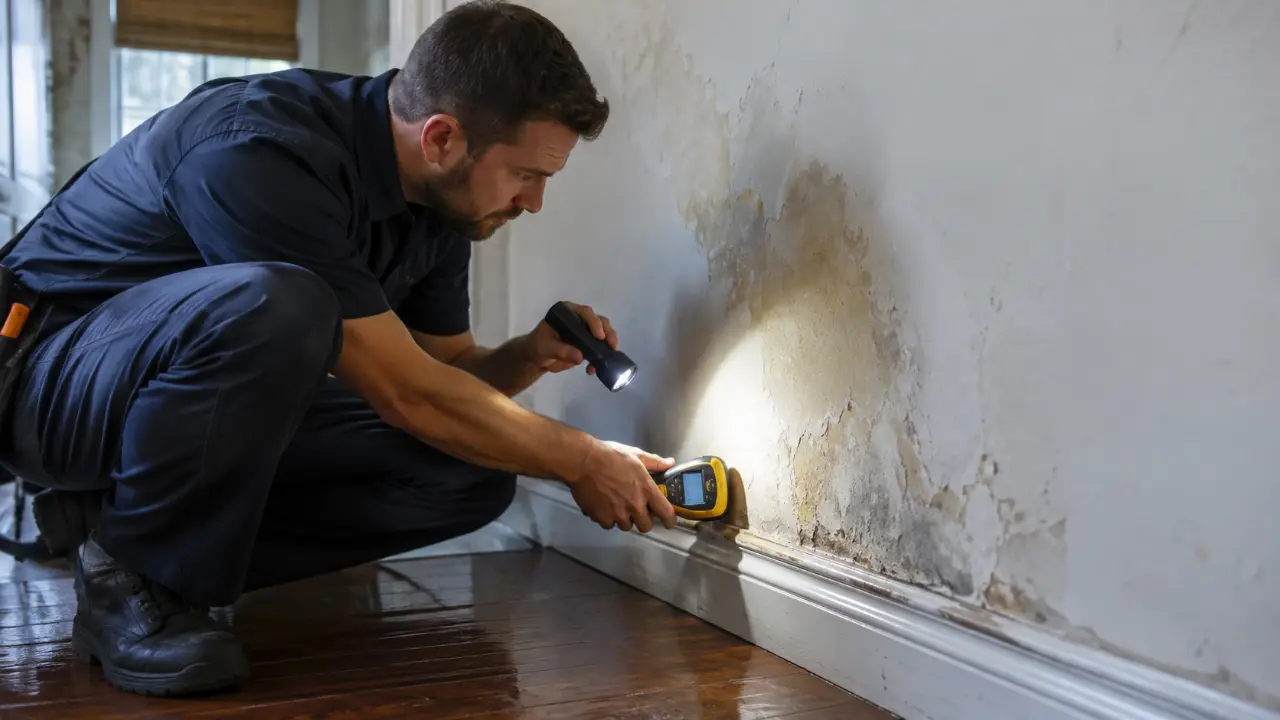
We use a moisture meter to check flooring, drywall, and other affected materials, including areas that look dry on the surface. A thermal imaging camera can help locate temperature patterns associated with hidden moisture, but we confirm findings with direct measurements. The map guides equipment placement and any necessary removal of wet porous materials.
Drying And Review
We position air movers and commercial dehumidifiers, then recheck moisture readings as drying progresses. Most residential drying plans run three to five days, though dense materials and cold conditions can extend that period. We review the results with you, explain what has dried, and identify any remaining repair or cleaning work.
Tools & methods
Equipment And Drying Methods
Purpose-built equipment, used by trained technicians, so the job is done accurately the first time.
Truck-mounted water extraction unit
We use the truck-mounted water extraction unit for efficient removal of accessible water from larger affected areas. Its extraction capacity is useful after a broad basement flood, while floor layout and access determine where it can be positioned.
Submersible sump pump
A submersible sump pump moves deeper standing water from a low point or pooled section. We use it before detailed surface extraction when water depth makes that the practical first step.
Moisture meter
A moisture meter checks affected materials such as drywall, flooring, and framing. We compare readings at wet areas during drying so equipment decisions are based on material conditions, not appearance alone.
Thermal imaging camera
A thermal imaging camera can help us spot temperature patterns that suggest hidden moisture behind a surface. We confirm suspected wet areas with direct moisture checks before deciding what action is needed.
Dri-Eaz commercial dehumidifier
A Dri-Eaz commercial dehumidifier removes moisture from the air while air movers circulate it across wet materials. We size and position equipment around the affected room and review readings as drying progresses.
Use cases
When To Call For Water Removal
These examples show how the service framework adapts rather than forcing every call through one repair.
Overnight Laundry Pipe Break
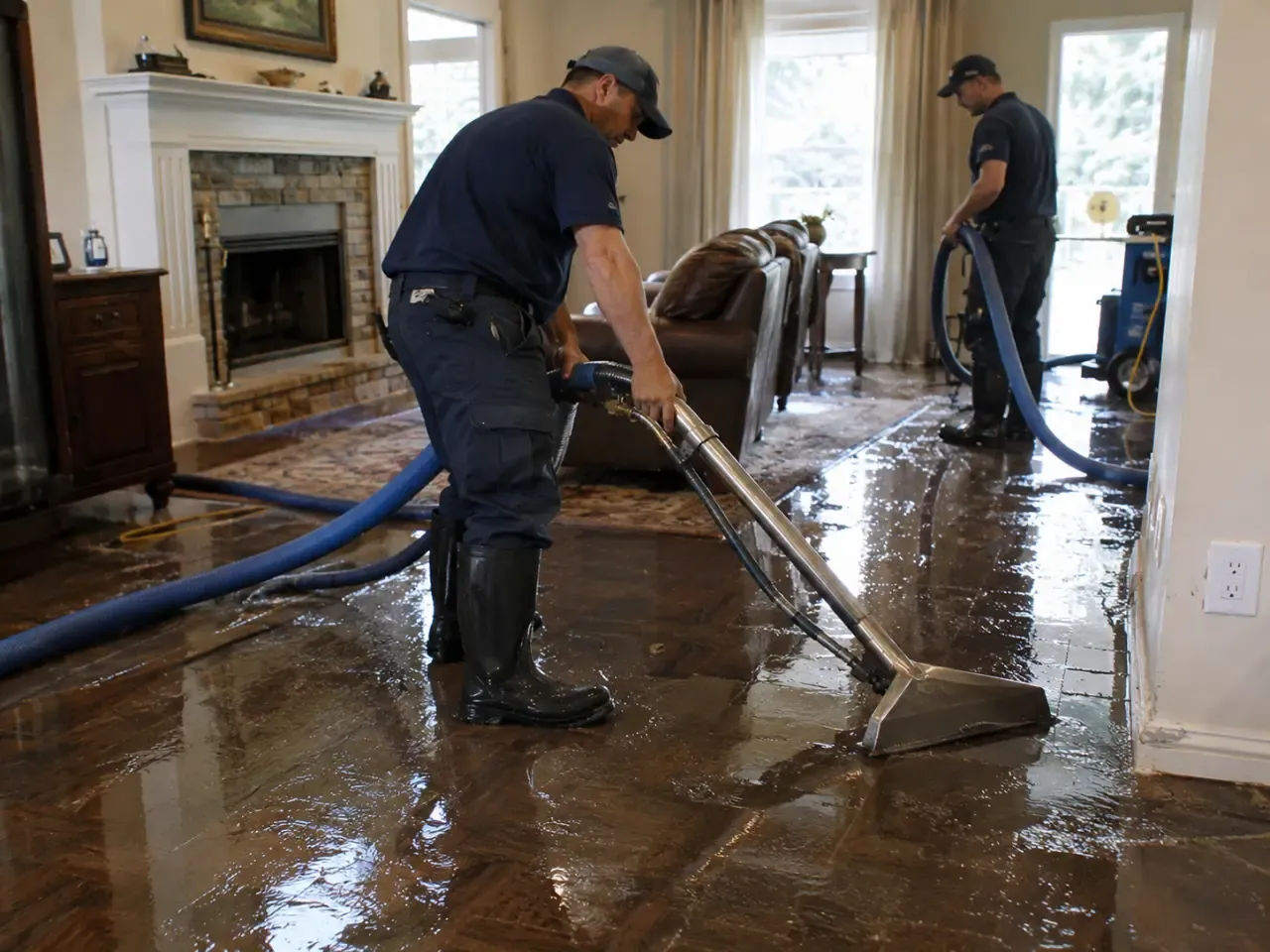
A burst pipe in a basement laundry room released water across the floor before the leak was noticed. Water reached the edge of an adjoining finished room, and the homeowner could not tell whether it had moved beneath the flooring. → We isolated the affected area, extracted the water, and checked the laundry floor and adjoining wall with a moisture meter. Air movers and a commercial dehumidifier ran for three days, with readings confirming where drying had progressed. The homeowner had a clear list of affected materials for repair planning.
Drain Backup In Storage Area
A floor drain backed up after a period of heavy rain, spreading questionable water around stored belongings. The homeowner was unsure which items could be saved and avoided entering the basement. → We treated the water as potentially contaminated, removed standing water and affected debris, and cleaned appropriate hard surfaces. The work area was separated while materials were handled. The owner received guidance on porous belongings and a drying plan for the remaining structure.
Problems we solve
Stop Basement Water Problems Early
A flooded basement can damage finishes, belongings, and structural materials even after the visible water is gone. Milwaukee Water Pros removes standing water and checks how far it has traveled, so you can act on the full problem rather than the puddle alone. Early extraction also helps limit the time damp materials remain in place.
Sump pump failure leaves standing water across a finished basement.
We pump out the standing water, check the floor and lower walls for moisture, and identify areas that need drying. If the sump system is still failing, we point out that active source problem so water does not continue entering while the basement is being dried.
Sewage backup spreads contaminated water across laundry and storage areas.
We restrict access to the affected zone, remove contaminated water, and address impacted materials using appropriate cleanup methods. We separate sewage response from ordinary water extraction because porous items and surfaces may need different handling and disposal.
Stormwater intrusion wets basement walls after intense Milwaukee rain.
We extract water, map moisture in the affected room, and set drying equipment where readings indicate it is needed. If an opening or drainage issue is still admitting water, we explain the source-control step alongside immediate cleanup.
A burst or frozen pipe soaks flooring before the leak is found.
We help isolate the affected area, remove standing water, and check the floor assembly and nearby walls. For same-day basement water extraction in Bay View, call with the leak location and water depth so we can plan the initial response.
Pricing process
Basement Water Removal Pricing
$350-$2,500 for typical residential extraction and initial drying setup, depending on scope.
Water depth and area
A shallow leak in one utility room takes less pumping and extraction time than several inches of water across a finished basement. Larger areas require more equipment placement, labor, and follow-up moisture checks, which increases the total service cost.
Water contamination
Clean water from a supply line generally requires a different response from sewage or stormwater. Contaminated water can require additional protective measures, targeted cleaning, and removal of porous materials, adding labor and disposal needs.
Flooring and contents
Carpet, padding, laminate, stored belongings, and built-in finishes affect how easily we can extract and dry the space. Moving contents or removing wet porous materials takes time, while open concrete floors with clear access are more straightforward.
How quickly can you remove water from a Milwaukee basement?
We can begin emergency response around the clock, and a typical residential extraction visit takes two to six hours. Arrival time depends on current call volume, road conditions, and the water source. Once on site, we assess hazards, stop new water where possible, and start pumping or extraction. Drying usually takes three to five days after bulk water is removed, with moisture readings guiding the final timeline.
What causes basements to flood in Milwaukee?
Heavy rain, sump pump failure, frozen or burst pipes, sewer backups, and appliance leaks are common causes of Milwaukee basement flooding. Spring thaw and intense storms can increase water pressure around foundations, while a blocked or failed sump system leaves water without a discharge route. We identify the source before extraction so the same water does not keep entering during cleanup.
Can a flooded basement be dried without removing flooring?
Sometimes, but only if the flooring and materials below it can be dried and moisture readings confirm progress. Water trapped under vinyl, laminate, or carpet padding can remain after the surface feels dry. We check the floor assembly and use extraction and drying equipment where practical; saturated or contaminated porous materials may need removal to dry the structure safely.
Does insurance cover basement water removal?
Coverage depends on your policy and the cause of the loss; sudden pipe failures may be treated differently from groundwater or long-term seepage. We document visible damage, water source information, and moisture readings to support your claim file. Call your insurer promptly, keep damaged items available for documentation, and ask the adjuster how your specific policy treats extraction and drying.
Related services
Related Water Damage Services
Emergency Water Extraction
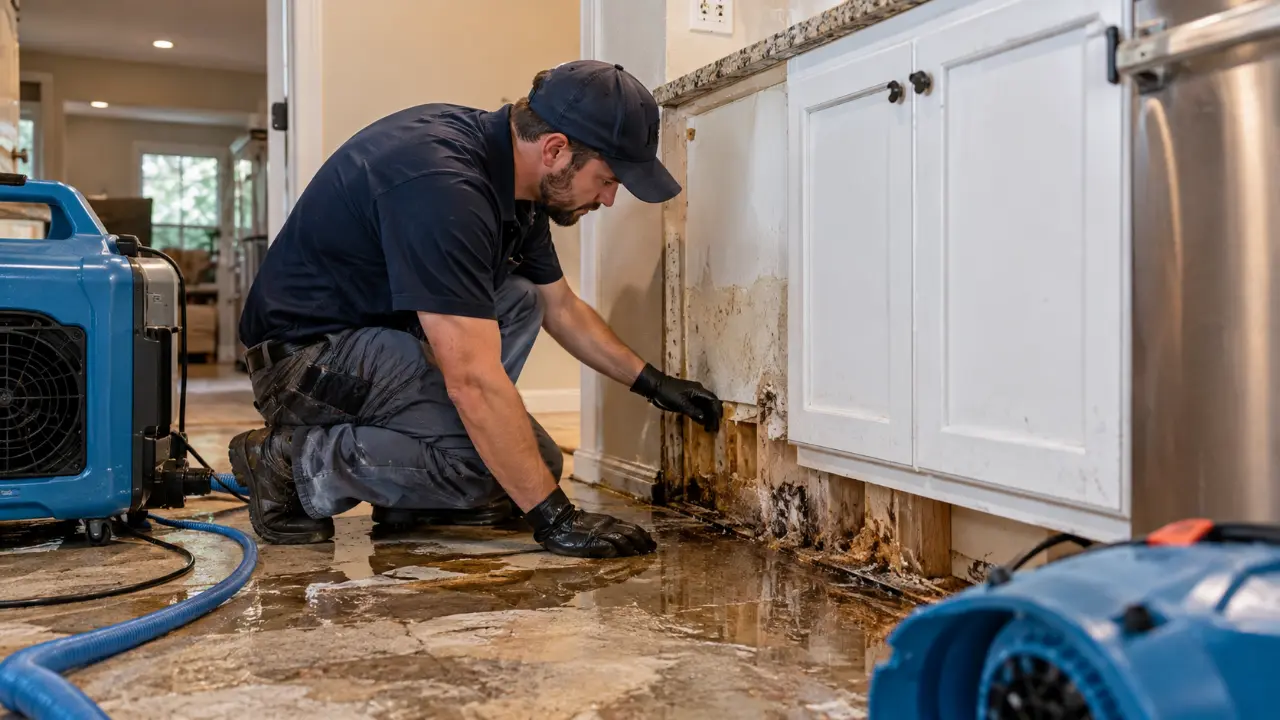
Emergency Water Extraction removes standing water quickly after a pipe break, appliance leak, or storm. In Milwaukee basements, we pump pooled water first and extract remaining water from accessible surfaces, then assess what needs drying. Fast bulk-water removal helps reduce the time water remains against flooring and lower walls.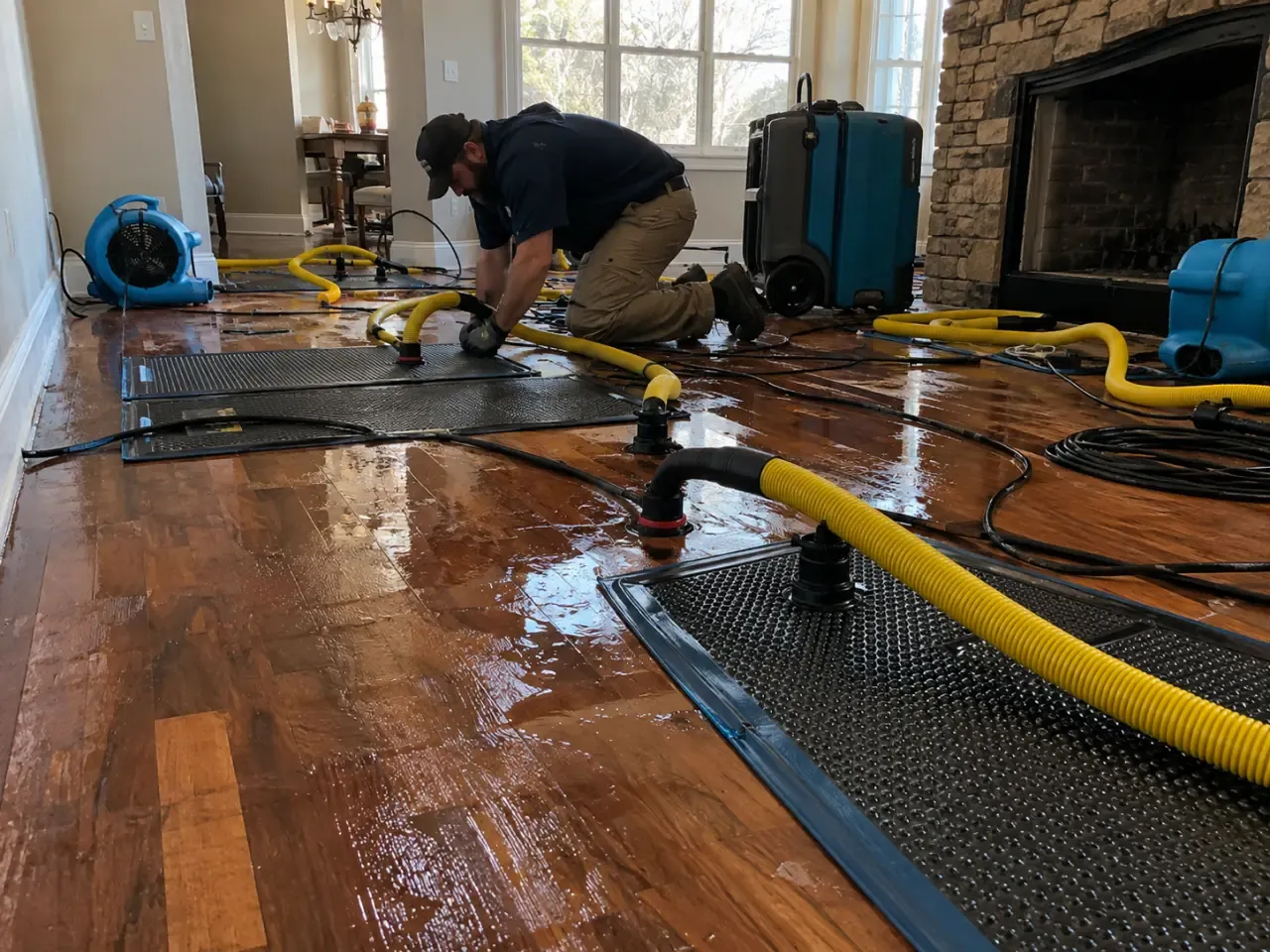
Water Damage Cleanup
Water Damage Cleanup addresses the residue and affected materials left after extraction. We clean appropriate surfaces, remove unsalvageable wet materials when needed, and check nearby areas for moisture spread. If a basement leak reaches stored belongings or finished rooms, cleanup helps restore safe access while drying continues.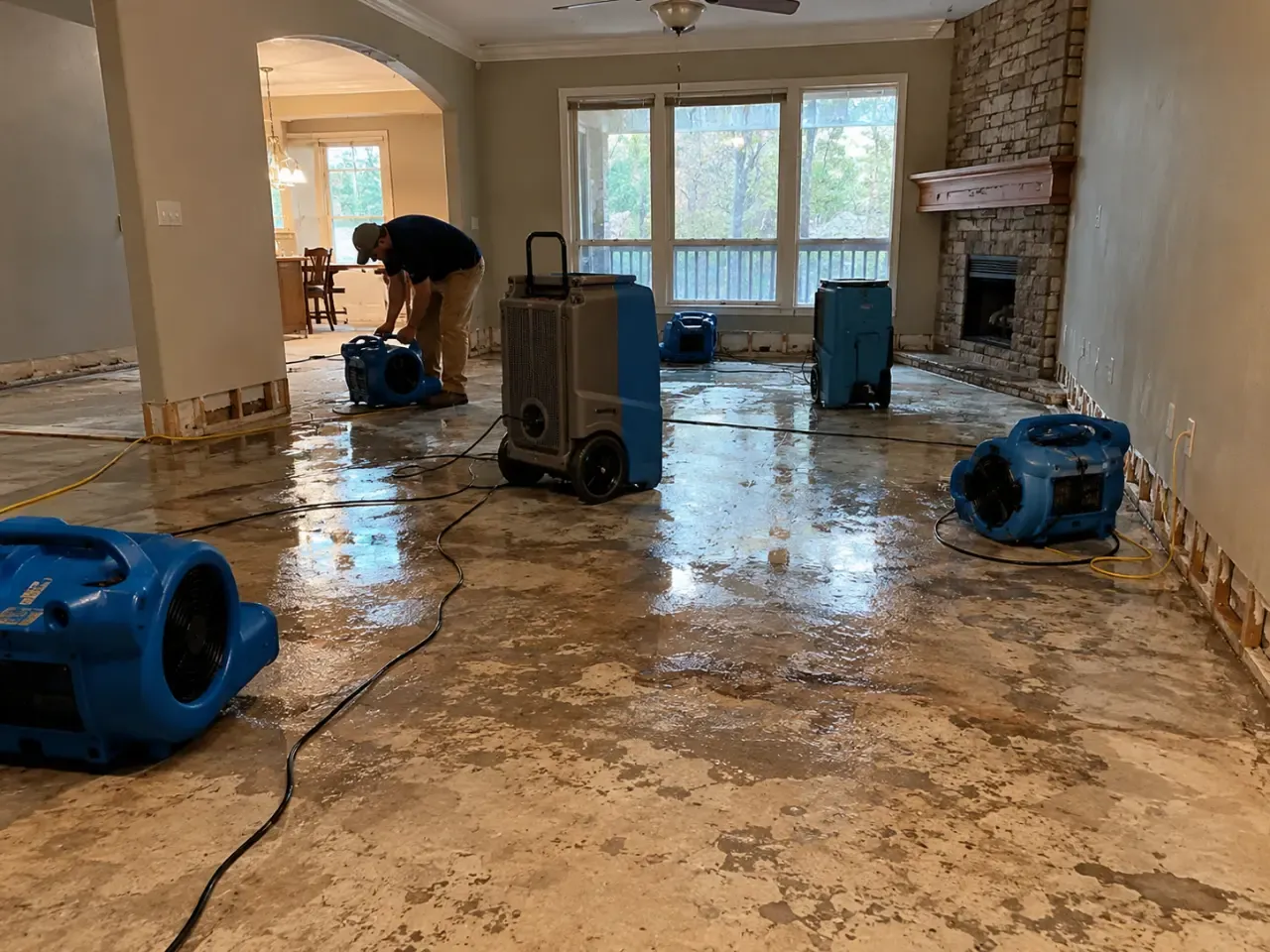
Flood Water Cleanup
Flood Water Cleanup is suited to stormwater intrusion and other broad basement flooding, especially when water carries sediment or outdoor debris. We assess contamination, remove water, and handle affected materials according to their condition. The work is different from a clean pipe leak and begins with identifying what entered the home.Ready when you are
Get Basement Water Removal Moving
Standing water can keep soaking floors and lower walls while you wait. Call Milwaukee Water Pros for 24/7 emergency service; our trained technicians will assess the source and start the appropriate extraction plan. Tell us if the water may contain sewage.
Talk with the local team
Request Basement Water Removal
Call Milwaukee Water Pros at (414) 567-3006 for emergency water mitigation, basement flooding, sewage backup cleanup, or a leak that has spread beyond its source. We take emergency calls 24/7 and will ask where the water is, what caused it, and whether anyone is at risk. Our service area includes Milwaukee County and neighborhoods such as Bay View, Riverwest, and Washington Heights.