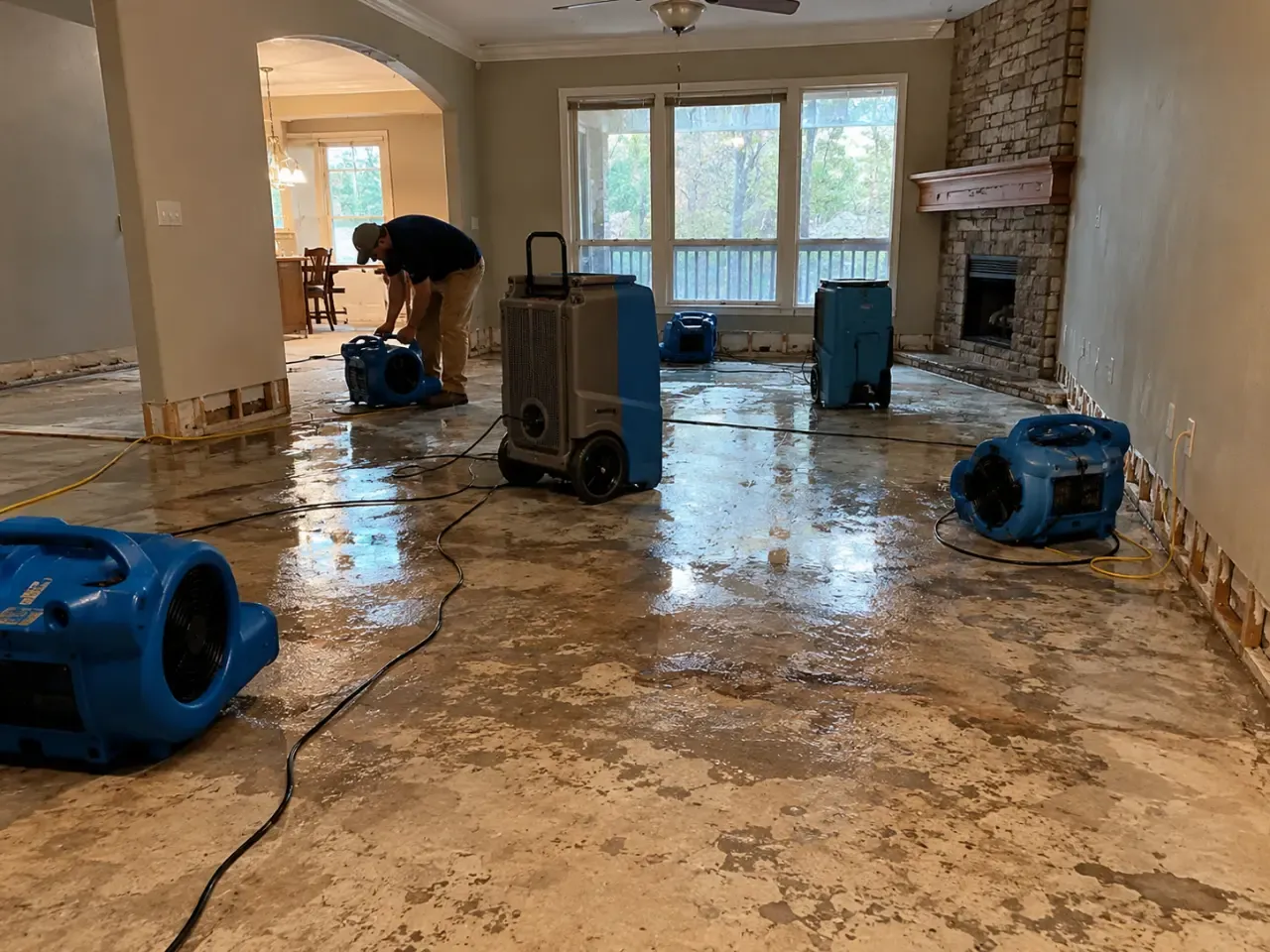
Stop standing water before it damages more of your home
Flood Water Cleanup Milwaukee WI That Gets Water Out
Flood Water Cleanup Milwaukee WI helps homeowners and businesses get standing water out, protect salvageable materials, and start structural drying after a storm, pipe failure, or basement flood. Milwaukee Water Pros responds to urgent water problems across Milwaukee, Wisconsin, using extraction and moisture checks to guide the work. If water is spreading through a lower level or soaking carpet, call (414) 567-3006 so we can help you take the next practical step.
Live dispatcherUpfront optionsBacked workmanship
What's included
What Flood Cleanup Includes
Flood cleanup covers the emergency work needed to remove standing water, assess affected materials, and begin drying. We check the source and water category, record moisture conditions, and explain which materials can be saved. Cleaning, controlled removal, and drying equipment are selected for the situation; reconstruction or mold remediation is addressed as a separate phase when needed.
Water Source Assessment
We inspect where water entered and determine whether the source is a plumbing failure, stormwater, or a backup. Identifying the source helps us choose safe handling steps and prevents further water from entering during cleanup. We also note active hazards and the rooms or materials affected.
Standing Water Extraction
We pump or extract visible water from accessible floors, carpet, and lower-level spaces. Equipment selection depends on water depth and access, including stairs or tight utility areas. Removing bulk water allows us to inspect the floor and begin a more precise drying plan.
Wet Material Decisions
We assess carpet, carpet padding, drywall, and insulation based on water category, saturation, and condition. Materials that cannot be safely cleaned or dried are identified for removal; salvageable surfaces are prepared for drying. You receive a clear explanation of why each affected material is treated differently.
Moisture Checks and Drying
We take moisture readings, place air movement and dehumidification equipment, and check progress as materials dry. The readings help us identify concealed dampness and adjust the setup. Drying often runs for 3 to 5 days, although the actual duration follows the moisture condition of the building.
Cleanup Documentation
We record affected areas, observed conditions, and drying checks so you have a usable account of the mitigation work. Documentation can help you discuss the loss with your insurer and coordinate repairs. We review what was completed and identify any remaining restoration work before closing out the cleanup.
Service overview
Flood Water Cleanup Milwaukee WI: What It Covers
Flood Water Cleanup Milwaukee WI is an emergency restoration service that removes unwanted water, addresses contaminated materials, and starts drying affected building components. We begin by identifying the water source and its category, then use extraction equipment to remove standing water from floors, carpets, and accessible cavities. A moisture meter helps us map damp areas beyond the visible puddle. We document affected materials, remove items that cannot be safely dried, and set drying equipment where readings show moisture remains. The goal is to control damage and create a clear path to repair.
Milwaukee properties face basement flooding after intense rainfall, sump pump failure, burst or frozen pipes, and stormwater intrusion. Older homes may have stone or masonry foundations, finished lower levels, and concealed wood framing that hold moisture after water recedes. Our Milwaukee flood cleanup services address the water and the wet materials, not just the visible surface. For emergency flood water cleanup in Milwaukee WI, we assess access, water depth, and contamination first, then choose extraction and drying steps suited to your building.
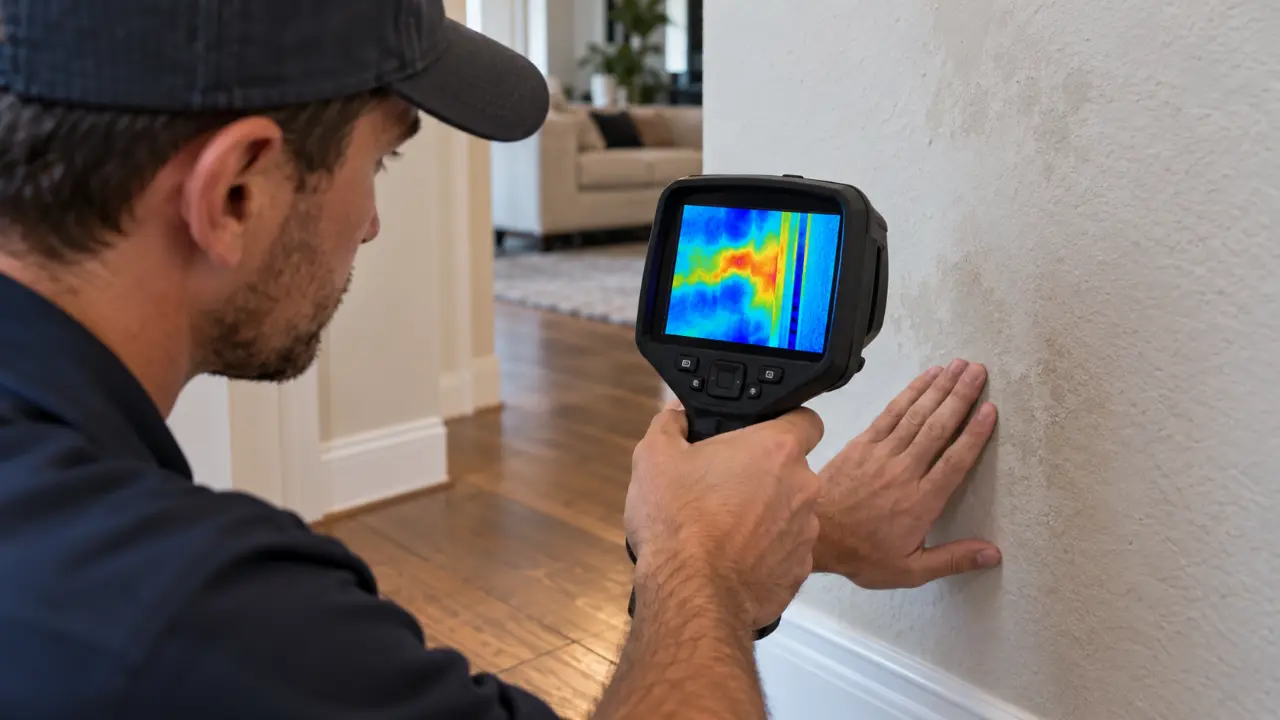
How we workWe verify the cause, compare realistic options, and confirm the repair before we leave.
The service timeline
What Happens During Cleanup
The process flexes to the condition, but these checkpoints keep decisions clear.
Make It Safe
On arrival, we identify electrical hazards, unstable materials, and contaminated water before moving equipment into the affected area. If water is near outlets or electrical panels, stay out and have the hazard addressed before entry. We ask what failed, when water entered, and whether the source is still active; this first assessment usually takes 30 to 60 minutes.
Map the Damage
We inspect the affected rooms, note water lines, check accessible wall and floor materials, and take initial moisture readings. You see which areas are wet and where the readings suggest water traveled beyond the visible pool. We also identify the water source category because clean supply-line water and contaminated floodwater require different handling and material decisions.
Extract Standing Water
Our crew selects a pump or extractor based on depth, flooring, and access. A sump pump can move bulk water from a flooded basement, while an extractor removes remaining water from carpet and hard surfaces. Extraction time ranges from about 1 to 4 hours for many contained areas, with larger properties requiring additional passes.
Remove and Dry
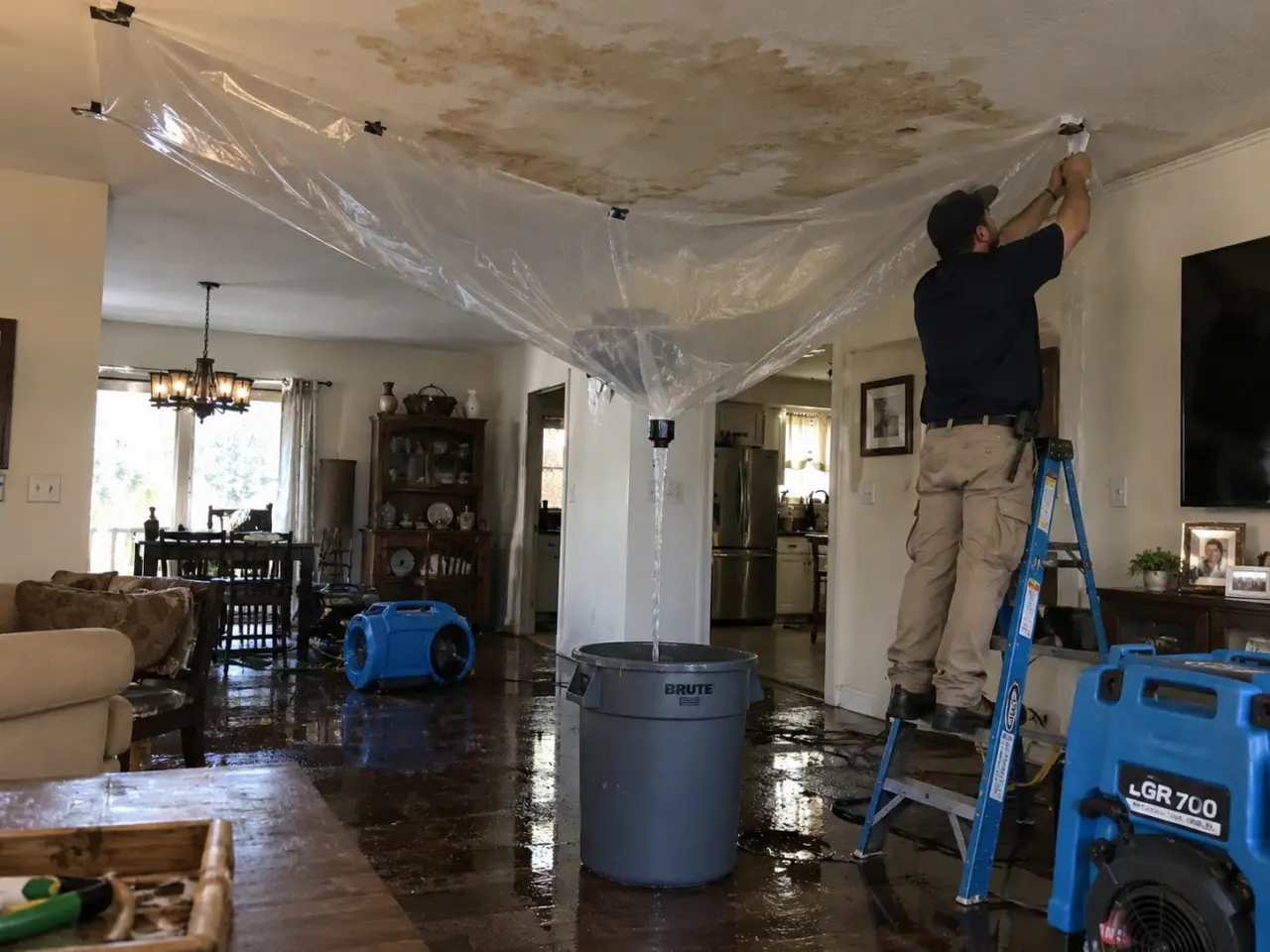
We remove unsalvageable wet materials, including affected carpet padding or insulation when conditions call for it, and place drying equipment to move air and control humidity. If necessary, polyethylene containment sheeting separates the work zone. You can expect equipment to run continuously, with checks and adjustments as moisture readings change over the next several days.
Verify Moisture Levels
We return to check affected materials and compare readings with the initial map and dry reference areas. When readings show continued moisture, we adjust equipment or investigate a concealed area rather than simply ending the job by the calendar. After drying, we review the work completed and identify repair or remediation needs that fall beyond water removal.
Tools & methods
Equipment and Cleanup Methods
Purpose-built equipment, used by trained technicians, so the job is done accurately the first time.
Truck-mounted water extraction unit
We use this high-capacity extraction option when the property layout allows direct access. It removes substantial water from accessible areas and helps shorten the time between assessment and detailed drying.
Portable water extractor
A portable extractor reaches rooms and lower levels where hoses or vehicle access are limited. We use it on remaining surface water and wet carpet after bulk water is removed.
Moisture meter
We take readings in affected materials and compare them with dry reference areas. The results show whether floors, walls, or framing need more drying, even when the surface looks dry.
Commercial dehumidifier
A commercial dehumidifier removes water vapor from the work area while air movers support evaporation from wet materials. We adjust placement and operation as readings change.
HEPA air scrubber
When work conditions call for airborne particulate control, a HEPA air scrubber uses HEPA filter media to capture particles within the work zone. We select its use based on the materials and cleanup activity.
Use cases
When to Call for Flood Cleanup
These examples show how the service framework adapts rather than forcing every call through one repair.

Stormwater Across a Lower-Level Room
Rainwater entered a lower-level room and carried dirt onto the floor near the exterior wall. Carpet, baseboards, and stored items were wet, while a narrow stain suggested water had reached behind the wall finish. The visible pool did not show the full extent of the moisture. → Our crew removed the standing water and affected porous materials, then checked the wall edge and floor with a moisture meter. We dried the remaining structure over 3 days and rechecked readings before wrapping up. The customer received a record of affected areas and materials requiring repair.
Burst Pipe in a Multiroom Home
A burst pipe sent water from a utility area into the hallway and an adjoining room. Water was wiped from the visible floor, but dampness remained near the wall and beneath flooring transitions. The household needed to know whether the nearby materials were still wet. → After the plumbing source was stopped, we extracted remaining surface water and mapped moisture across both rooms. We removed affected padding where needed and ran drying equipment for 5 days. Follow-up readings showed the monitored materials had dried sufficiently for the repair phase to move forward.
Problems we solve
Problems Solved by Floodwater Cleanup
Water left in a Milwaukee home can move beyond the original puddle, soak building materials, and create additional repair work. We focus on the source, the water category, and the materials affected. The right response depends on what failed and how long the water has been present.
Basement water remains after a failed sump pump
We assess water depth and safe access, pump bulk water from the basement, then extract residual water from floors and carpet. Our crew checks adjacent materials for moisture and positions drying equipment according to readings. We also identify whether the sump system or another source continues to feed water into the space.
Stormwater carries dirt into a finished lower level
We identify likely stormwater intrusion and treat the area as potentially contaminated until assessed. The crew removes standing water, separates affected porous materials, and cleans surfaces with appropriate methods. For storm flood cleanup for homes near the East Side, we also check the perimeter of affected rooms for water travel beyond the obvious entry point.
A frozen or burst pipe floods multiple rooms
After the plumbing source is controlled, we map affected rooms and take readings at floors and accessible wall sections. We extract pooled water, remove materials that cannot be dried safely, and use air movement and dehumidification to dry the remaining structure. Follow-up readings guide the next adjustment.
Sewage backup leaves contaminated water indoors
We restrict access to the affected work area, assess the spread, and remove contaminated water and unsalvageable porous materials using controlled procedures. Surfaces that can be cleaned receive appropriate treatment, and drying follows after the contaminated material is addressed. We explain which areas require additional remediation.
Pricing process
Flood Cleanup Pricing
$500 - $4,500 for many residential jobs; larger, contaminated, or multiroom losses can exceed this range.
Water volume and area
A small room with shallow water takes less extraction time and equipment than a basement with several inches across multiple rooms. More affected square footage also means more moisture checks and a larger drying setup. Water depth and spread are key parts of the site assessment.
Water category and contamination
Clean supply-line water may allow more materials to be dried and cleaned, while sewage or contaminated stormwater requires more protective handling and removal. Contamination changes the labor, cleaning method, and materials involved, so the source of the water can affect the total substantially.
Materials requiring removal
Saturated carpet padding, insulation, and damaged drywall can add labor for controlled removal and disposal. If framing can be cleaned and dried, it may be retained; if materials are contaminated or compromised, removal may be necessary. We assess each material instead of applying one rule to the whole room.
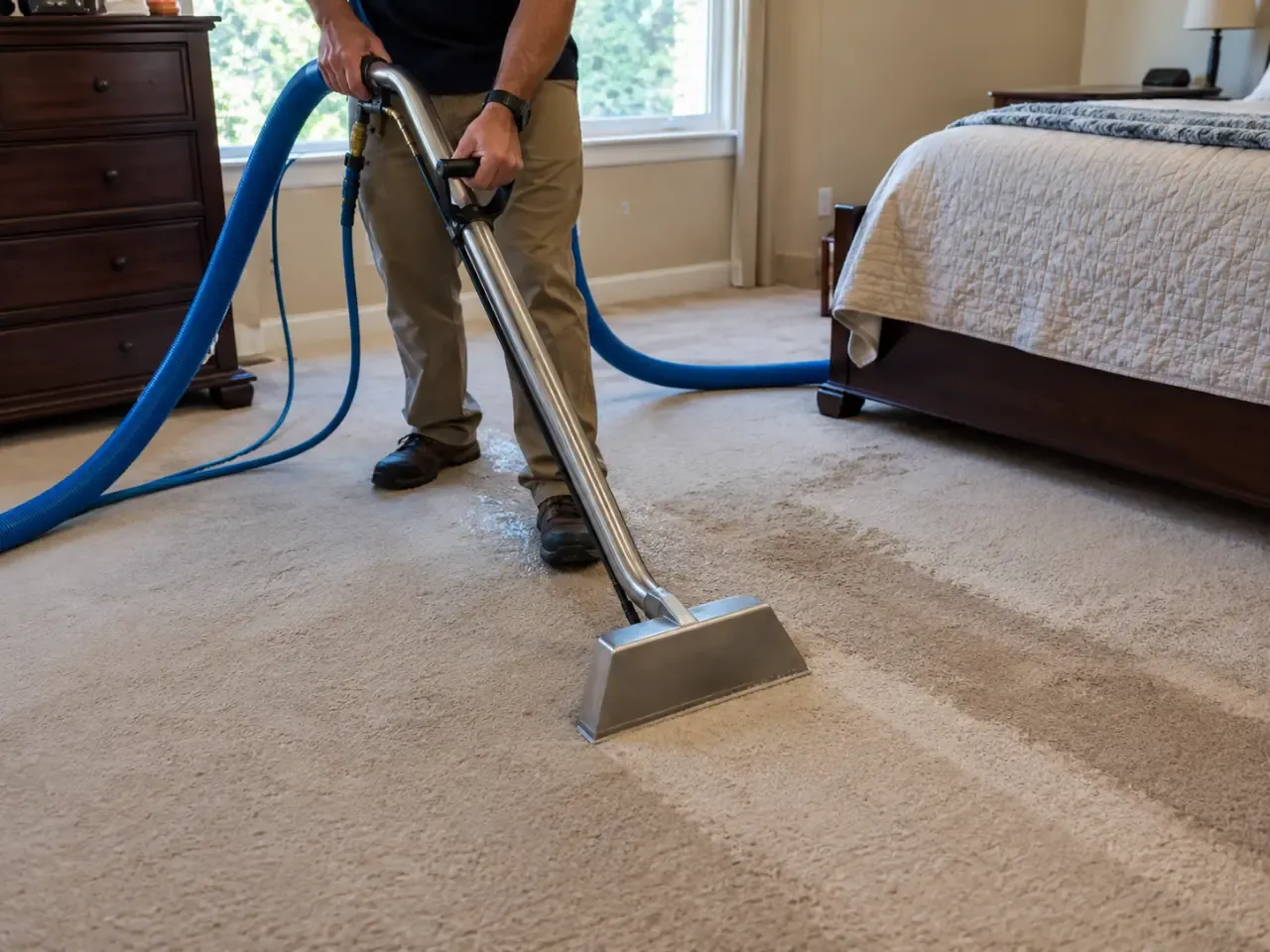
How soon should flood water be removed from a Milwaukee home?
Remove floodwater as soon as it is safe to do so, ideally within 24 hours of discovery. Water keeps soaking into carpet padding, drywall, insulation, and wood framing while it remains in place. Our crew checks for electrical and contamination hazards before extraction, then removes pooled water and starts moisture mapping. If water is near electrical equipment or appears contaminated, keep out of the area and call for professional help rather than entering.
Is floodwater safe to clean up without professional help?
Floodwater is not safe to handle without protection if it may contain sewage, chemicals, or outdoor contaminants. Stormwater and sewer backups can carry bacteria and debris, and standing water near electrical systems adds another hazard. For a small clean-water spill, basic cleanup may be manageable, but widespread flooding needs a category assessment and proper protective procedures. We identify the source before deciding whether materials can be cleaned or must be removed.
What does flood damage restoration include?
Flood damage restoration includes safety checks, water extraction, moisture assessment, removal of unsalvageable materials, and drying verification. We use equipment such as extractors, air movers, and dehumidifiers according to the affected area and material readings. Cleaning and antimicrobial treatment depend on water category and surface condition; reconstruction is a separate phase after drying. Our team explains which steps apply to your property and tracks moisture until affected materials reach suitable dry conditions.
Will insurance cover storm-related flood cleanup in Milwaukee?
Coverage depends on your policy, the water source, and the cause of the loss; there is no single answer for every claim. Sudden interior pipe failures and outside flooding may be treated differently by an insurer. Photograph damage before cleanup when it is safe, keep receipts, and contact your carrier promptly. We can document affected areas and the work performed, but your insurer determines coverage under your policy.
Related services
Services That Complete the Recovery
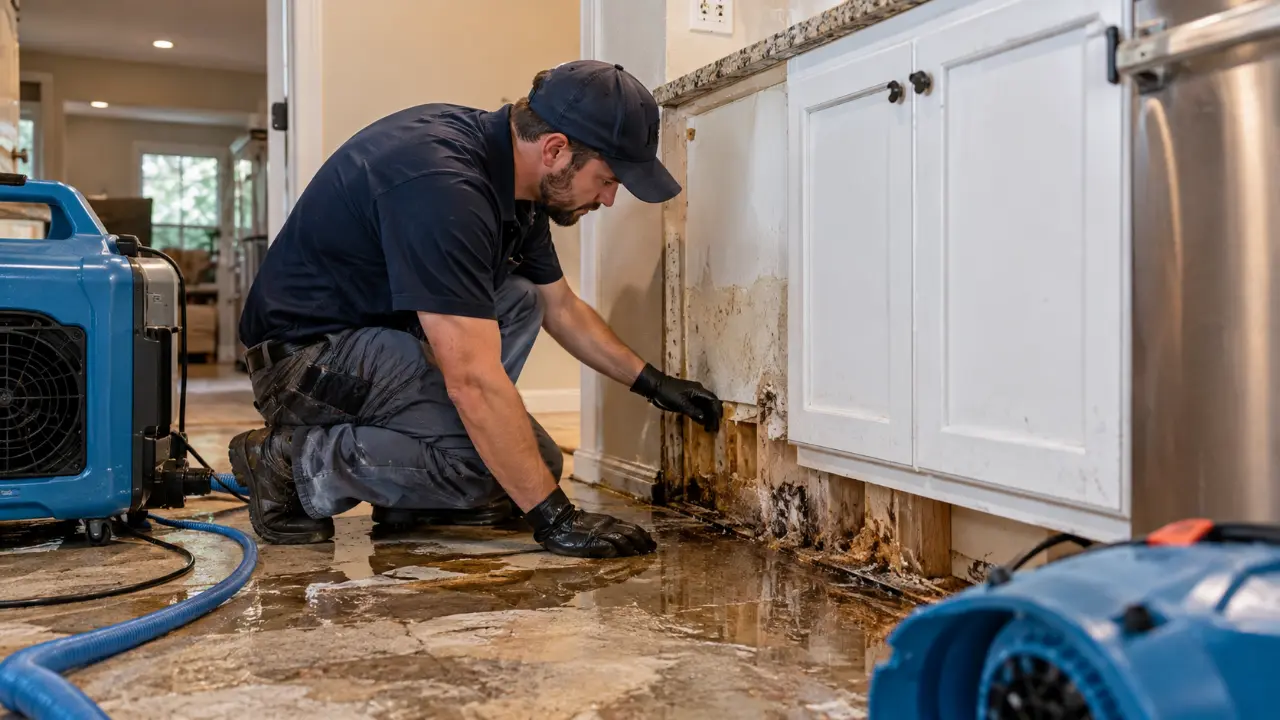
Emergency Water Extraction
Emergency Water Extraction removes pooled water before it spreads farther through flooring and lower-level rooms. Milwaukee Water Pros selects pumping or extraction equipment for water depth and access, then records the affected areas. It is often the first operational step in a larger flood cleanup and structural drying plan.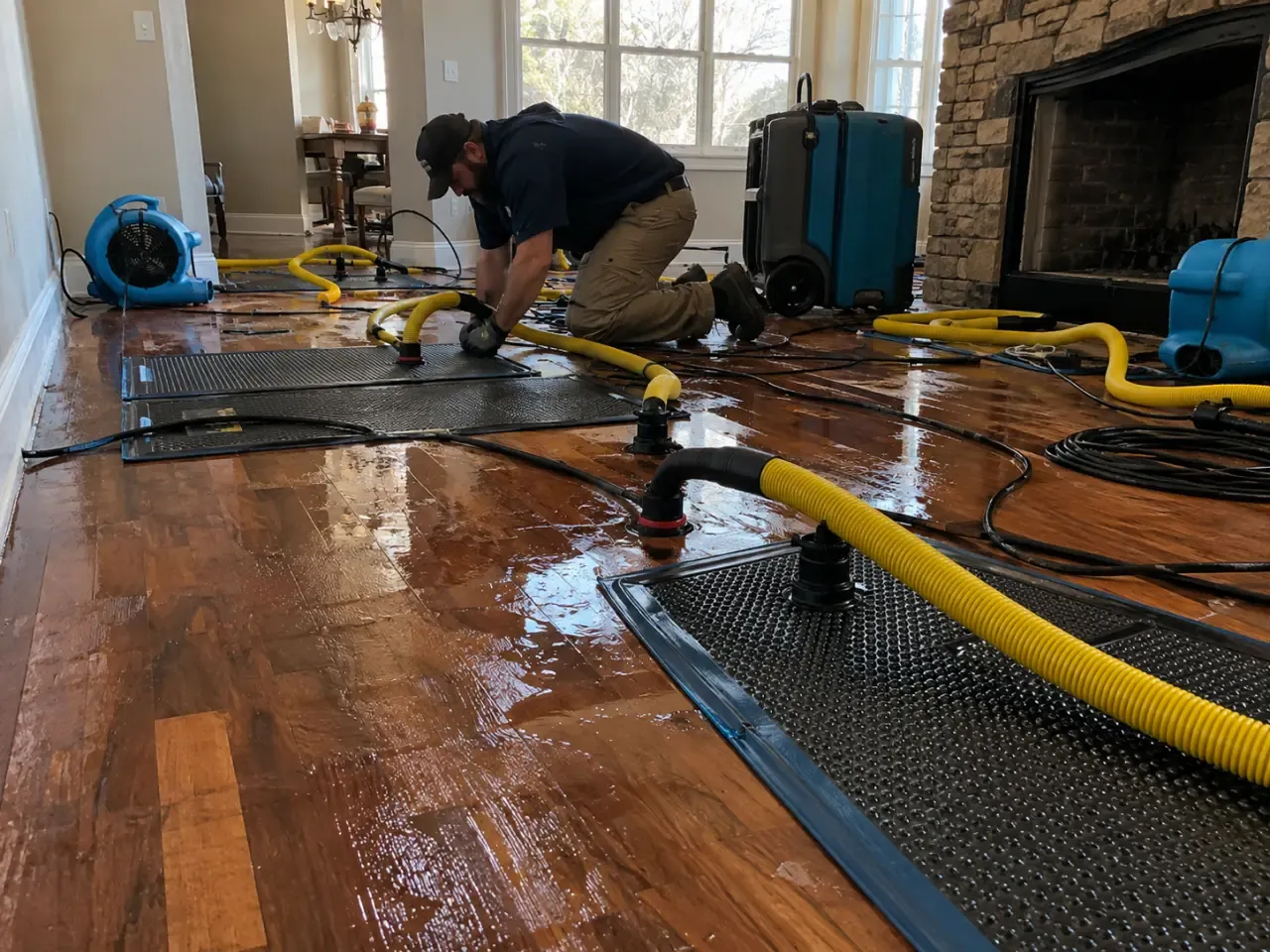
Water Damage Cleanup
Water Damage Cleanup addresses wet surfaces and affected contents after the bulk water is gone. We assess which materials can be cleaned and dried, then remove debris and contaminated items as conditions require. This service connects extraction to the practical work needed before repairs can begin.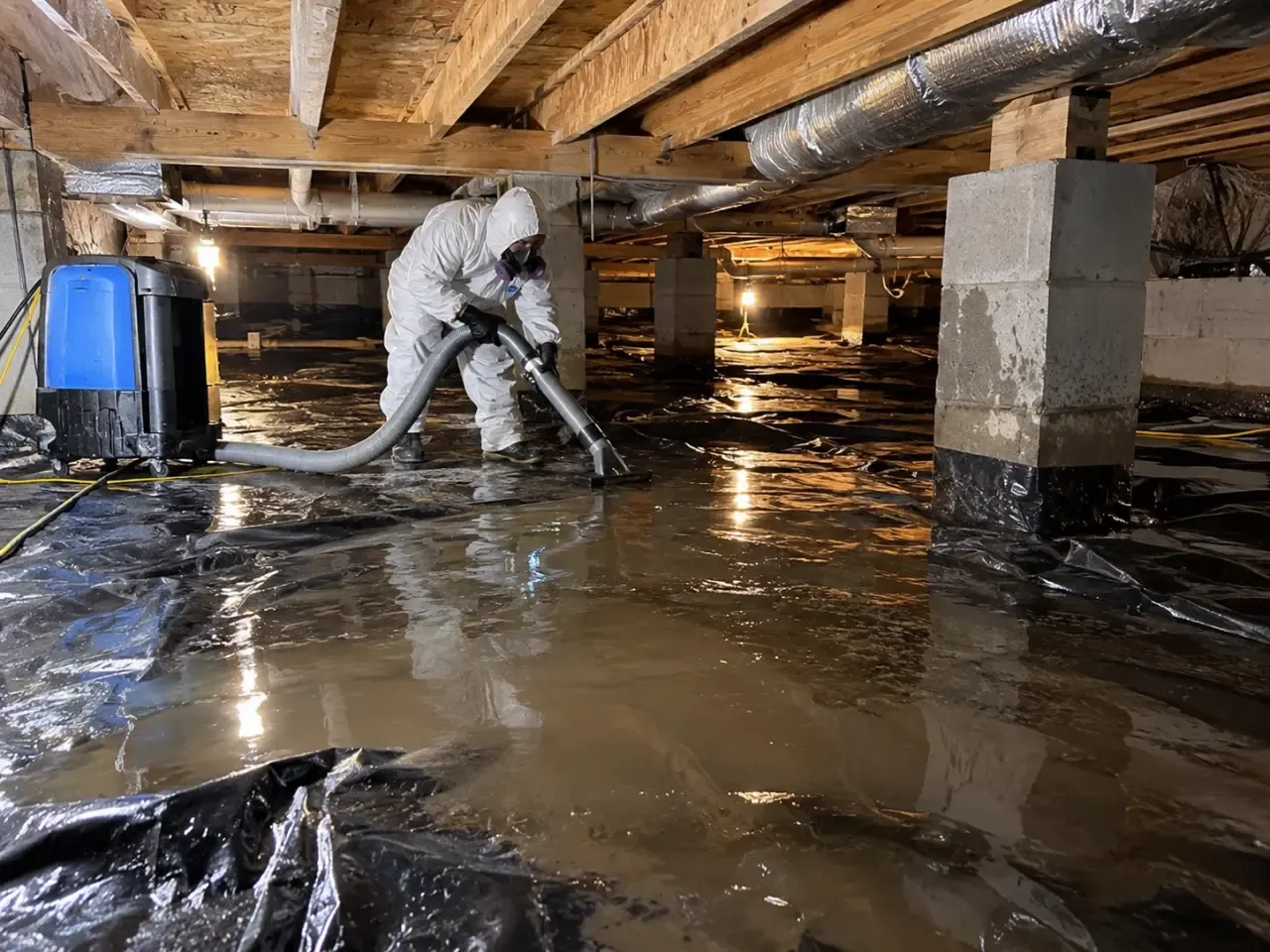
Basement Water Removal
Basement Water Removal targets water entering through foundation openings, failed sump systems, or plumbing problems. We pump deeper standing water, extract what remains on floors, and check adjacent materials for moisture. For Milwaukee homeowners, it provides a focused response when the lower level takes the brunt of a storm.Ready when you are
Call for Flood Water Cleanup Milwaukee WI
Standing water needs prompt attention, especially near electrical systems or contaminated materials. Call Milwaukee Water Pros at (414) 567-3006 and describe the water source and affected rooms. Our technicians will help you take the next step. We provide upfront pricing before the agreed work begins.
Talk with the local team
Request Flood Water Cleanup
Call Milwaukee Water Pros at (414) 567-3006 for emergency water mitigation, basement flooding, sewage backup cleanup, or a leak that has spread beyond its source. We take emergency calls 24/7 and will ask where the water is, what caused it, and whether anyone is at risk. Our service area includes Milwaukee County and neighborhoods such as Bay View, Riverwest, and Washington Heights.