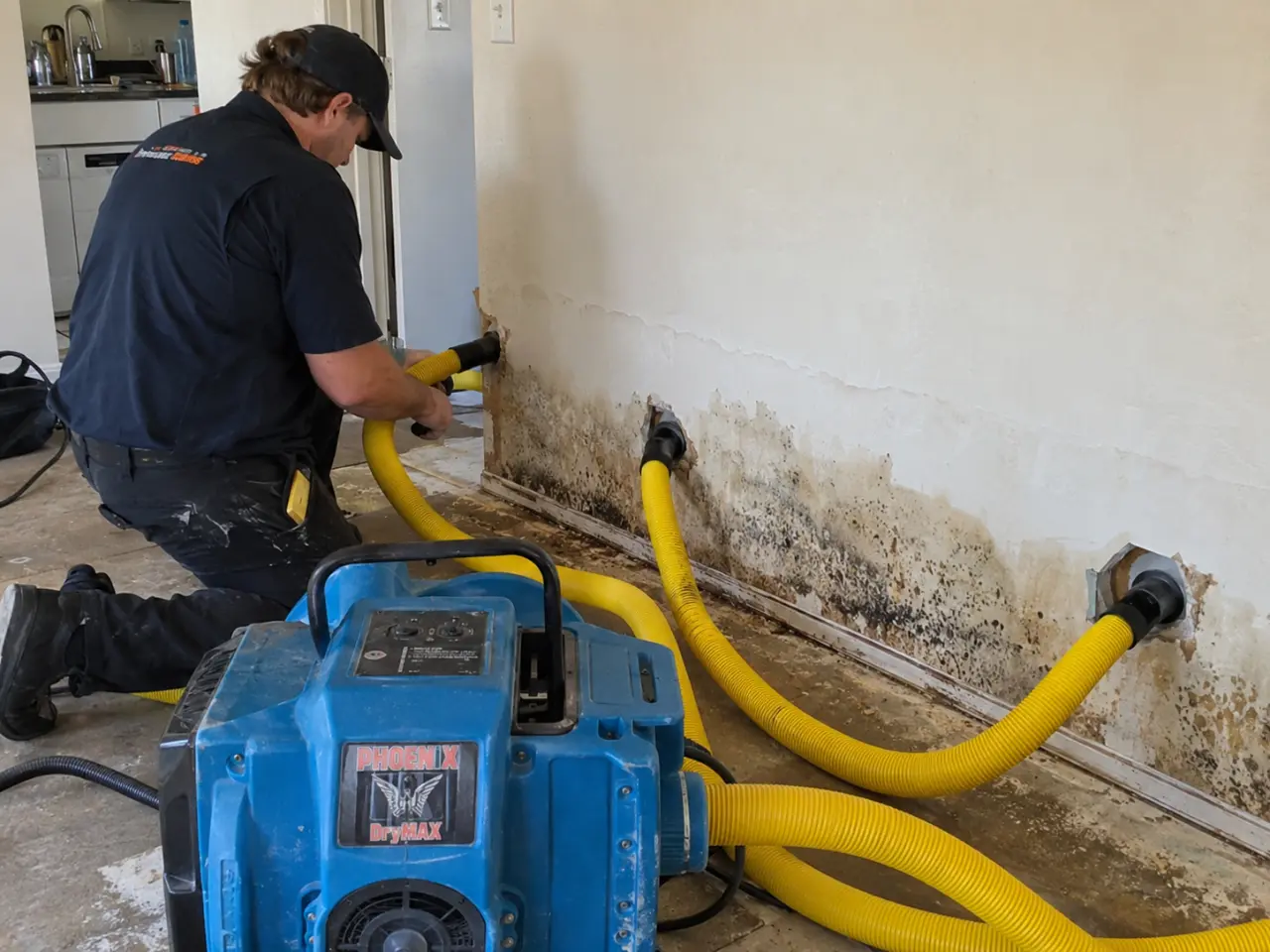
We remove contaminated water and restore safer spaces.
Sewage Backup Cleanup Milwaukee WI Done Right
Sewage Backup Cleanup Milwaukee WI helps homeowners and businesses facing an overflowing floor drain, backed-up basement toilet, or contaminated water after a storm. Our Milwaukee sewage cleanup service removes sewage, cleans affected surfaces, and dries salvageable materials using a controlled process. Call Milwaukee Water Pros at (414) 567-3006 when sewage reaches your living space, storage area, or commercial property.
Live dispatcherUpfront optionsBacked workmanship
What's included
What Sewage Backup Cleanup Includes
Our sewage cleanup covers inspection of the affected area, isolation where needed, removal of contaminated water, cleaning and disinfection of salvageable surfaces, and drying checks. We identify porous materials that sewage has penetrated and explain removal needs before those materials are concealed or reused. Plumbing repair, reconstruction, and replacement of personal belongings are separate work, but we can identify where those next steps are needed.
Affected-Area Inspection
We map where sewage traveled, check nearby rooms and floor edges, and identify visible material damage. A careful boundary matters because water can move under flooring or behind baseboards. We also note any continuing backup or safety concern that should be addressed before normal use resumes.
Water And Waste Removal
We pump or extract standing sewage with equipment suited to the depth and access. Loose contaminated debris and unsalvageable porous materials are separated from items and surfaces that can be cleaned. This reduces the chance of carrying contamination into unaffected rooms during removal.
Surface Cleaning And Disinfection
We remove soil and residue from salvageable hard surfaces, then apply antimicrobial disinfectant according to its intended use. Cleaning comes before disinfection; applying a product over visible debris is not a substitute for removal. We focus treatment on surfaces contacted by the backup.
Drying And Moisture Checks
After contaminated materials are removed and cleaned surfaces are ready, we place drying equipment and track moisture in remaining materials. The goal is to dry affected framing and flooring without overlooking hidden moisture at wall cavities, thresholds, or beneath retained finishes.
Work Area Documentation
We record affected areas, removed materials, and drying observations so you can follow the work and discuss damage with your insurer or repair contractor. Documentation does not decide insurance coverage, but it gives you a clear account of what the cleanup addressed.
Service overview
Sewage Backup Cleanup Milwaukee WI Explained
Sewage Backup Cleanup Milwaukee WI is a contamination-removal and structural-cleaning service that extracts sewage, disinfects affected areas, and dries materials after a sewer backup. We isolate the affected zone, remove standing wastewater, and sort porous items such as carpet padding and insulation for disposal or further assessment. Our crew records moisture readings, cleans hard surfaces with antimicrobial disinfectant, and checks adjoining walls and floors for hidden moisture. Sewage is not ordinary water; direct contact can expose your household to harmful contaminants, so we use protective procedures and controlled access from the first inspection.
Milwaukee homes face backups from blocked laterals, heavy rain, sump pump failure, and frozen or burst pipes during cold-weather swings. Older basements and finished lower levels can make a small drain overflow spread beneath flooring before it is visible. Our sewage backup restoration Milwaukee, Wisconsin service addresses the source area and the materials it reached. If you need Milwaukee WI cleanup after a basement sewer backup, keep people and pets away, avoid running affected fixtures, and call us so we can assess the water category and begin safe removal.
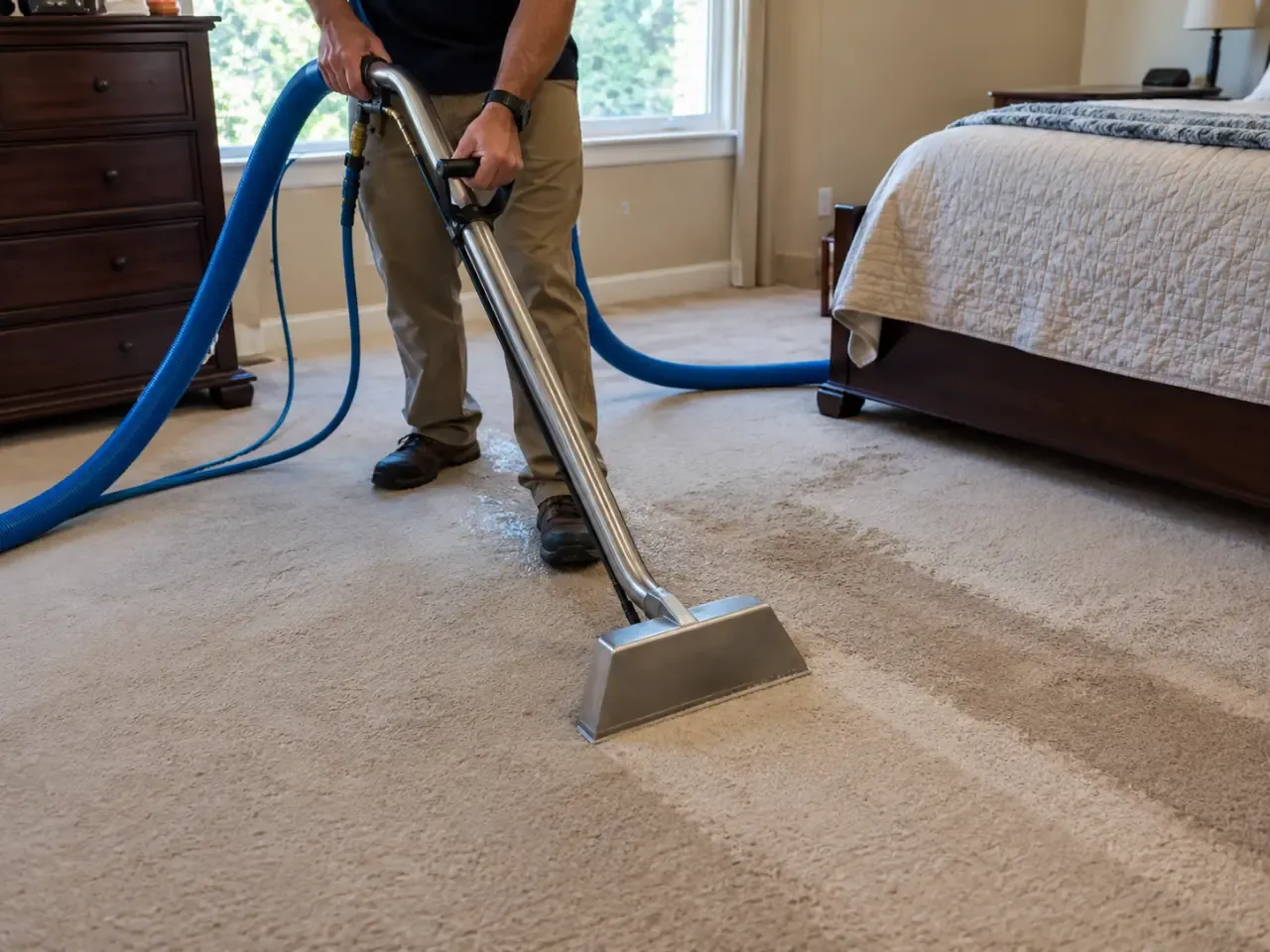
How we workWe verify the cause, compare realistic options, and confirm the repair before we leave.
The service timeline
What To Expect During Cleanup
The process flexes to the condition, but these checkpoints keep decisions clear.
Make The Call
Call Milwaukee Water Pros at (414) 567-3006 and tell us where sewage is visible, whether it is still flowing, and which rooms are affected. We use those details to plan the initial response and safety needs. Keep children and pets out, do not use toilets or drains connected to the backup, and avoid contact with standing water.
Inspect And Isolate
At the property, we identify the affected boundary, check adjoining areas, and look for continuing entry or a plumbing issue that needs attention. We use an infrared thermometer and visual inspection to guide checks, then set up containment where appropriate. The inspection commonly takes 30 to 90 minutes, depending on access and the number of rooms.
Extract Contaminated Water
We remove standing sewage with suitable extraction equipment, using a submersible sump pump for deeper accumulation and a portable water extractor for accessible floor areas. The equipment choice depends on depth, debris, and the surface. Our crew keeps contaminated waste separate from clean work zones and removes affected loose materials for proper handling.
Clean And Disinfect
We clean salvageable hard surfaces, apply antimicrobial disinfectant according to product directions, and remove porous materials that cannot be safely restored. This stage takes several hours on many contained residential jobs, with larger or multi-room losses taking longer. We address visible residue and the surfaces sewage contacted, not just the center of the wet area.
Dry And Verify
We place air movers and a commercial dehumidifier where materials can be dried safely, then record follow-up moisture readings. Drying often runs for 3 to 5 days, but the material and initial saturation determine the schedule. Before equipment comes out, we review the readings with you and identify any remaining repair work.
Tools & methods
Tools And Cleanup Methods
Purpose-built equipment, used by trained technicians, so the job is done accurately the first time.
Truck-mounted water extraction unit
We use this high-capacity option for accessible areas with substantial standing water, helping remove liquid before detailed cleaning. The setup depends on property access and the type of debris present.
Submersible sump pump
For deeper accumulation in a basement, a submersible sump pump moves standing water out of the work area before surface extraction and cleaning. We monitor the removal and keep contaminated discharge controlled.
Moisture meter
A moisture meter gives readings in materials such as framing and drywall, helping us compare affected areas with dry reference points and track whether retained materials are drying.
Commercial dehumidifier
After contaminated debris and water are removed, a commercial dehumidifier reduces moisture in the air to support drying of salvageable structure. We pair it with air movement when the conditions are appropriate.
HEPA air scrubber
A HEPA air scrubber with HEPA filter media supports airborne-particle control in a contained work area. We use it when the job conditions and work plan call for additional air management during cleanup.
Dri-Eaz and Phoenix Restoration Equipment
Professional restoration equipment from Dri-Eaz and Phoenix Restoration Equipment supports controlled drying and moisture management. Equipment placement is based on room layout and measured conditions, not simply the number of machines.
Use cases
When To Call For Sewer Cleanup
These examples show how the service framework adapts rather than forcing every call through one repair.
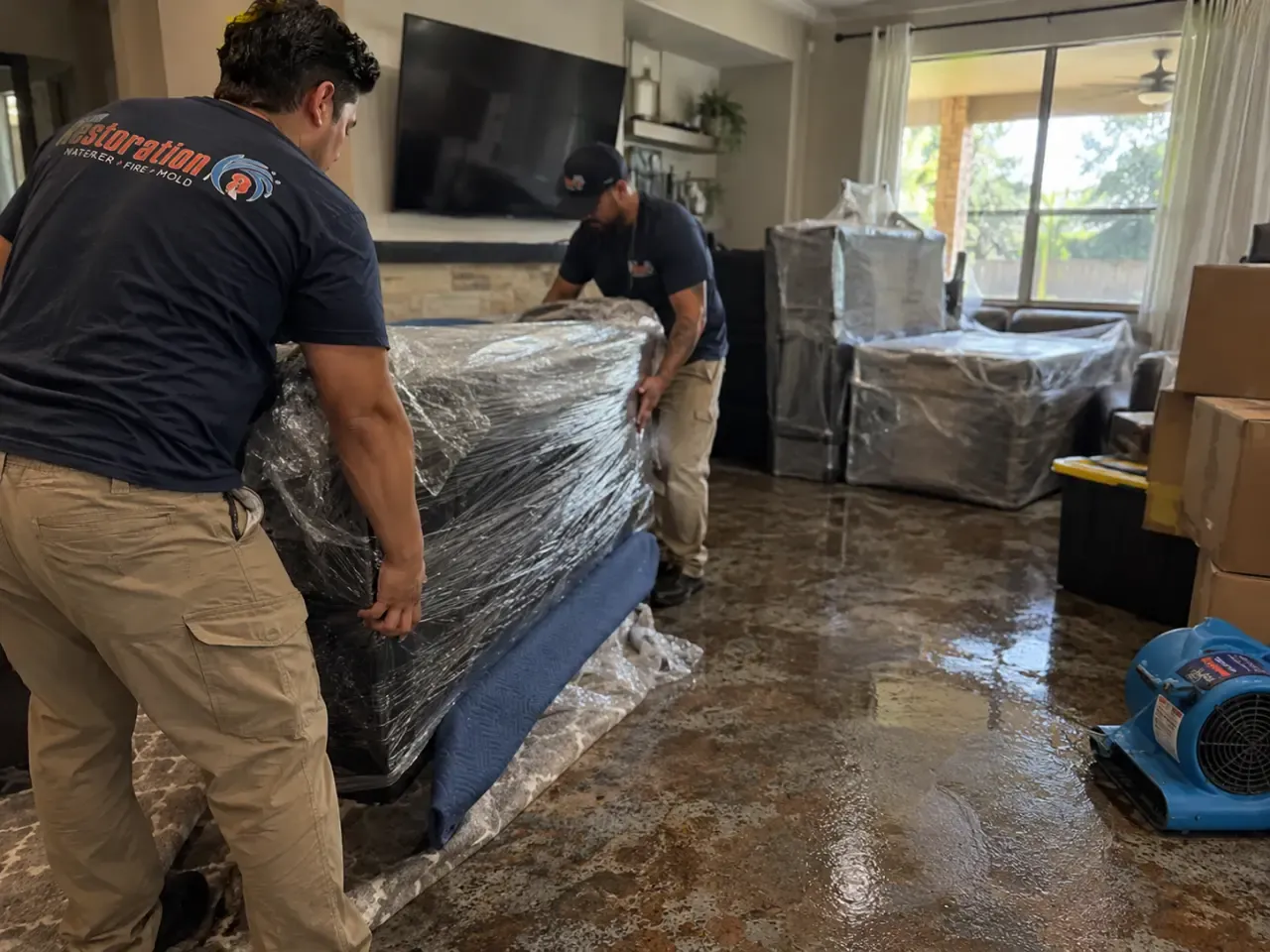
Finished Room Protected From Spread
A toilet backup in Sherman Park reached carpet and the bottom of a finished basement wall. Family members had walked through the room before recognizing the water was sewage. The wet carpet looked manageable, but the padding and a section of drywall had absorbed contaminated water. → We isolated the room, removed the affected carpet padding and lower drywall, and cleaned the exposed floor and framing. Air movers and a commercial dehumidifier ran for 3 days while moisture readings were checked. The remaining structure was dry enough for the homeowner's repair contractor to rebuild the wall.
Commercial Washroom Returned To Service
A Walker's Point business found sewage in a ground-floor washroom before opening. The water had crossed the threshold into a short hallway, creating an access problem for staff and a risk of spreading contamination to the sales area. → We marked off the washroom and affected hallway, extracted the water, and cleaned contacted hard surfaces. We removed unsalvageable porous items and checked the threshold and wall edges for retained moisture. The work zone was cleaned and dried over 2 days, with the affected route documented for the manager.
Problems we solve
Problems Solved After Basement Sewer Backups
A sewer backup can make a basement unsafe before the full extent of the damage is visible. Our team removes the contaminated water, identifies affected materials, and limits transfer into clean areas. You get a direct plan for cleanup, drying, and the repairs that follow.
Sewage spreading under basement carpet and into adjacent rooms
We isolate the affected rooms, extract standing water, and inspect carpet edges and nearby flooring. If sewage has penetrated carpet padding, we remove it rather than relying on surface cleaning. We then clean salvageable hard surfaces and check adjoining materials for moisture before setting drying equipment.
A backed-up floor drain with water still entering
We assess whether water is actively entering and identify the area that needs immediate isolation and extraction. We avoid using drains or fixtures tied to the backup while the source is addressed. Our crew removes accumulated sewage and coordinates the cleanup sequence around any plumbing work needed to stop recurrence.
Persistent sewage odor after visible water disappears
We inspect the original flow path, including floor-wall joints and material edges, then clean affected surfaces and remove porous items that cannot be restored safely. Moisture readings help locate damp areas that need additional drying. We address the source of the odor rather than masking it with fragrance.
Hidden moisture in lower walls after a toilet overflow
We check lower wall sections and adjacent framing, using moisture measurements to guide selective removal. When wet drywall or insulation cannot be cleaned and dried appropriately, we remove the affected section and dry retained framing. You receive a clear explanation of the boundary before repairs begin.
Pricing process
Sewage Cleanup Pricing
$1,000-$7,500 for many residential jobs; extensive losses can exceed this range.
Water volume and depth
A small, contained spill requires less pumping and extraction than several inches of sewage across a basement. Depth, debris, and the distance to the removal point affect labor and equipment time. Continuing inflow must be addressed before cleanup can stay complete.
Affected room count
Each added room increases inspection, containment, surface cleaning, and equipment placement. A backup confined to one bathroom differs from sewage that crossed a hallway and reached a finished basement. Shared or commercial spaces also require careful separation of work and occupied areas.
Porous material removal
Carpet padding, insulation, and some drywall often need removal when sewage has penetrated them. The cost changes with the amount of material, access, and disposal effort. Salvageable hard surfaces require cleaning and disinfection but do not carry the same removal labor.
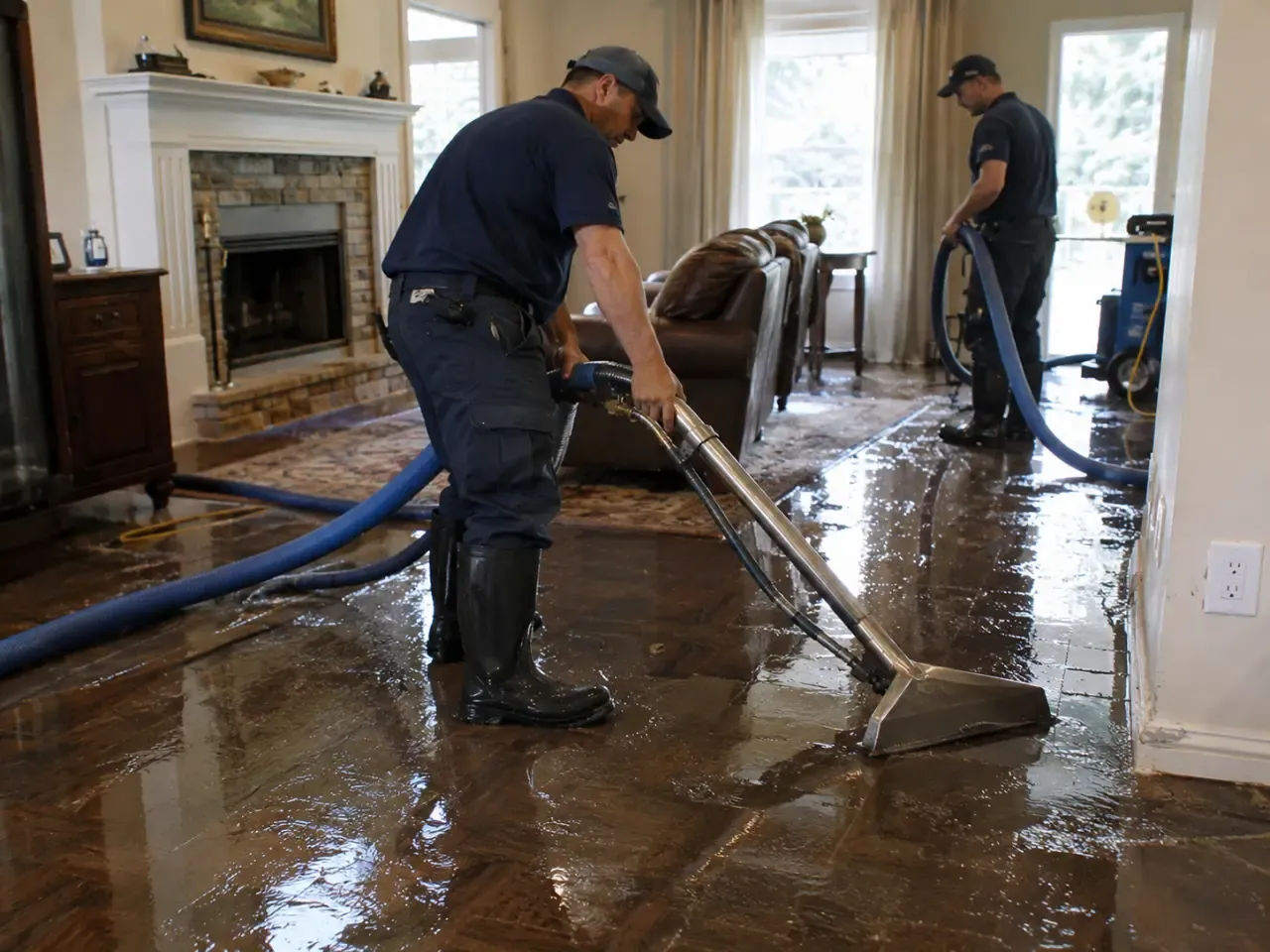
Who should I call for a sewage backup in Milwaukee?
Call a sewage cleanup and water restoration company, and contact a plumber if the backup is active or the drain source needs repair. Milwaukee Water Pros handles contaminated-water extraction, cleaning, and drying; call (414) 567-3006. For 24/7 sewage backup cleanup in Milwaukee WI, keep people and pets away from the affected area while arranging help. Do not flush toilets or run sinks connected to the backed-up line.
Is it safe to enter a home after sewage backs up?
No, avoid entering sewage-affected rooms until the contamination has been assessed and the area is safe to access. Sewage can contain harmful organisms and may conceal sharp debris or electrical hazards. Keep children and pets away, and do not touch standing water or move contaminated belongings through clean rooms. If the backup reaches outlets or equipment, stay clear and have the hazard assessed before cleanup begins.
How is sewage-contaminated water cleaned and disinfected?
We isolate the affected zone, extract standing sewage, remove porous materials that cannot be safely cleaned, and disinfect salvageable surfaces. We then dry remaining structural materials and check moisture readings before removing equipment. The process depends on how far the water traveled and what it contacted. Our contaminated water cleanup Milwaukee work treats the affected area as a contamination problem, not a routine spill.
Does insurance cover sewer backup cleanup?
Coverage depends on your policy, endorsements, cause of loss, and the damage documented at the property. Some policies include sewer or drain backup coverage; others exclude it or set a separate limit. Contact your insurer promptly and keep photos, receipts, and service records. We can document observed damage and cleanup activities, but your insurer determines coverage under your policy terms.
Related services
Related Water Restoration Services
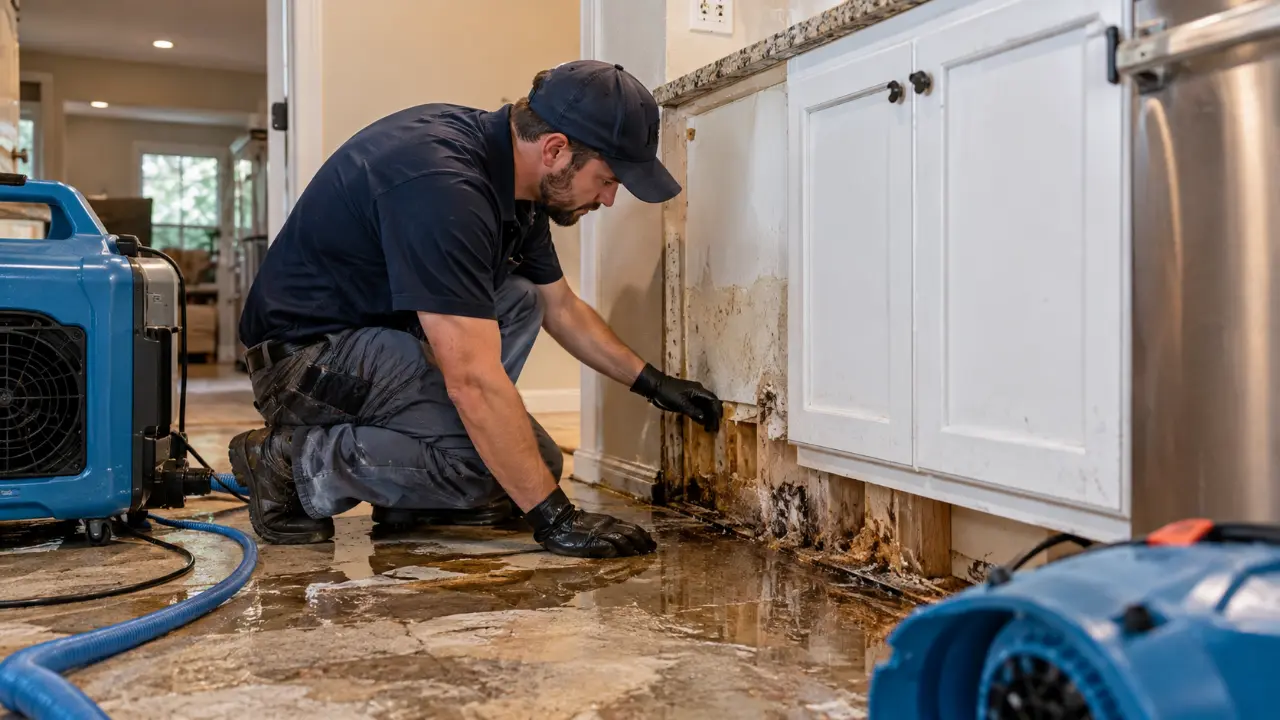
Emergency Water Extraction
When sewage or another water source is actively flooding a Milwaukee property, extraction limits how far the liquid spreads. We select pumping and extraction equipment based on depth, access, and debris, then move to contamination-specific cleaning when the water is sewage.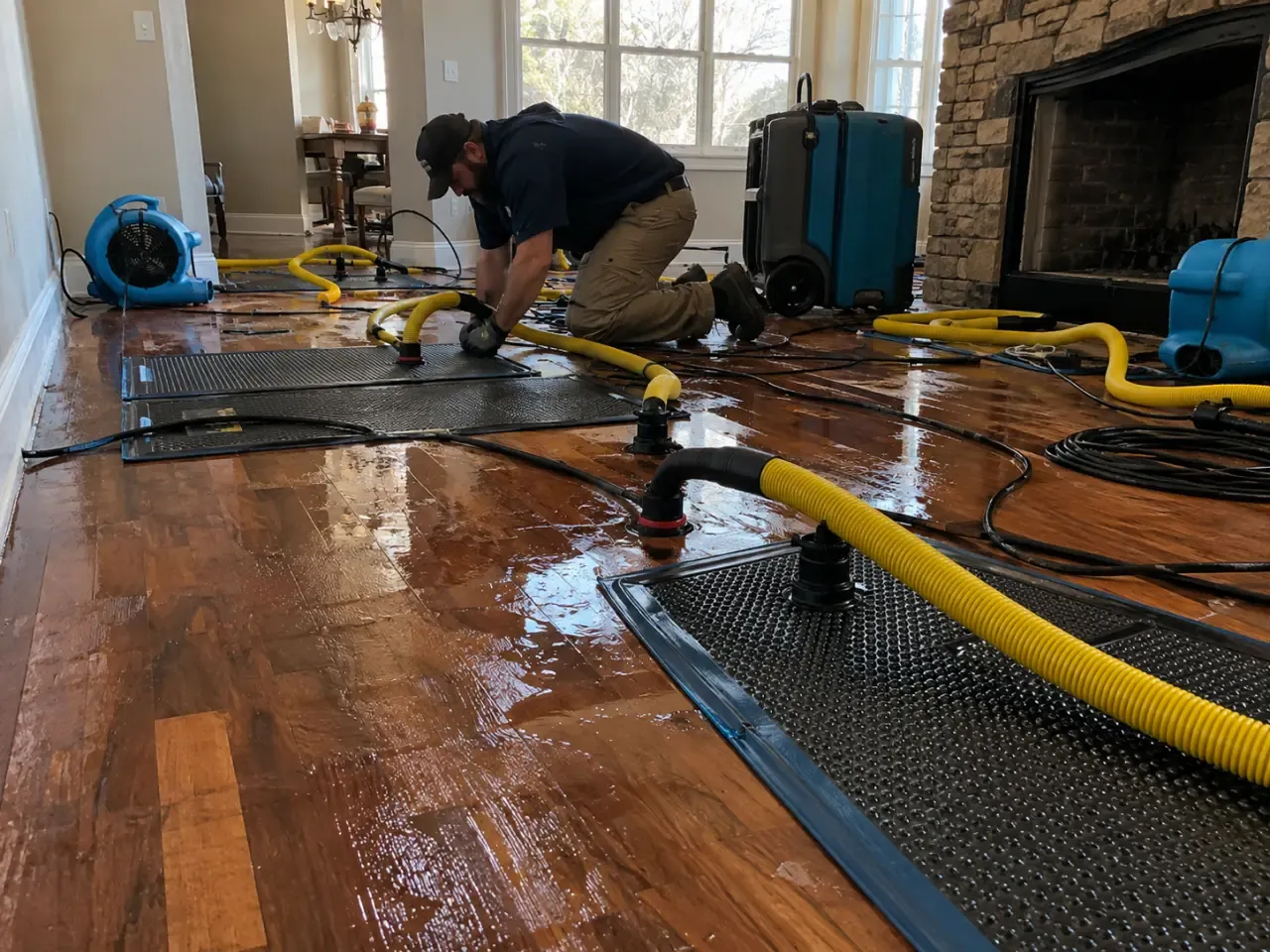
Water Damage Cleanup
Sewage backup can damage flooring, lower drywall, and stored contents even after the visible water is removed. Water damage cleanup addresses affected building materials and moisture, while sewage work adds containment, contaminated-material handling, and disinfection.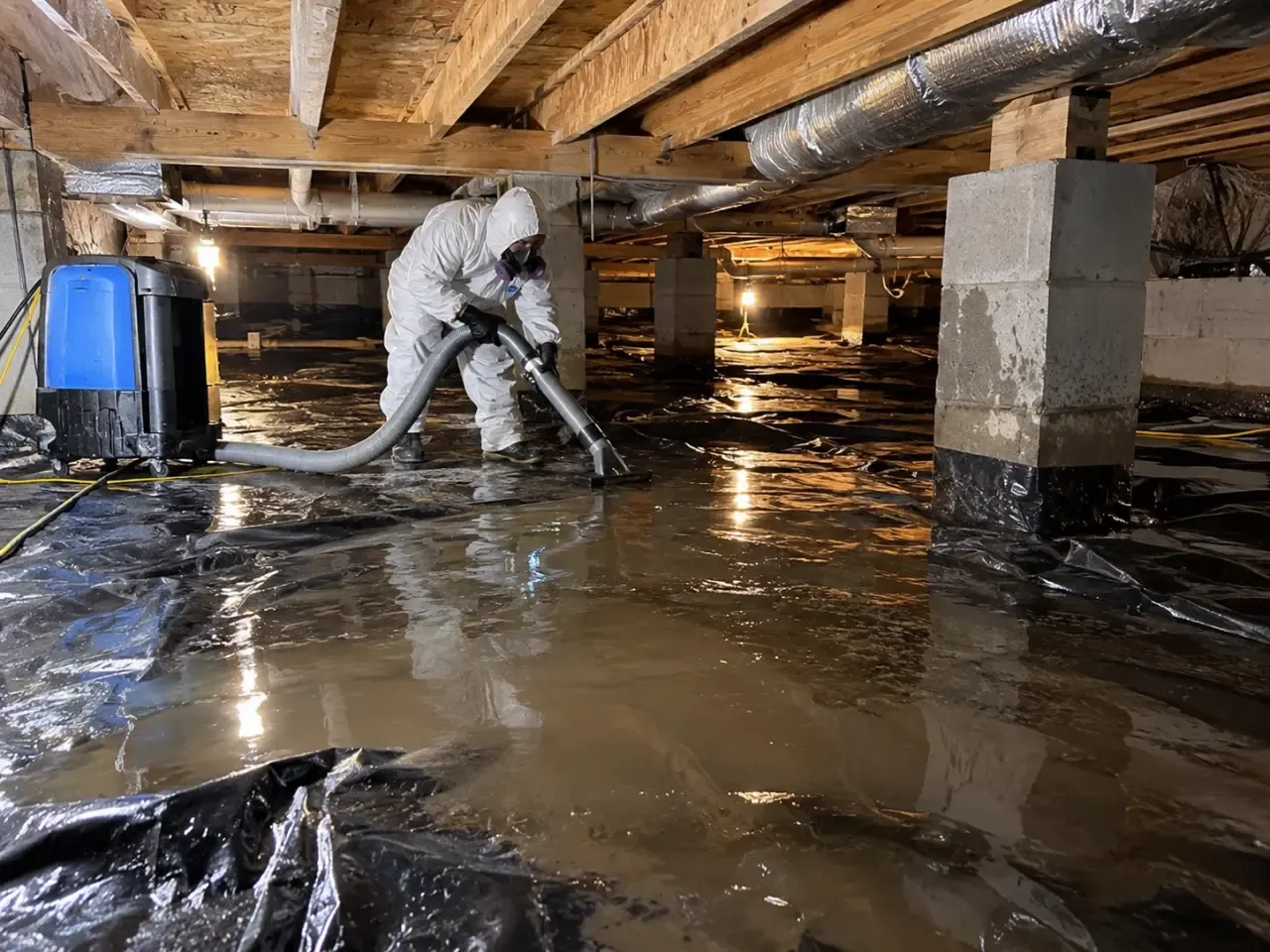
Basement Water Removal
A backed-up basement floor drain can leave water across storage, laundry, or finished living space. Basement water removal clears standing liquid and supports the next cleanup steps. If the water is sewage, we treat it as contaminated and do not approach it like clean groundwater.Ready when you are
Call For Sewage Backup Cleanup Milwaukee WI
Sewage on the floor needs controlled removal, not a household mop. Call Milwaukee Water Pros at (414) 567-3006 for help with extraction, surface cleaning, and drying in Milwaukee, WI. We follow contamination-control procedures and explain the next step clearly.
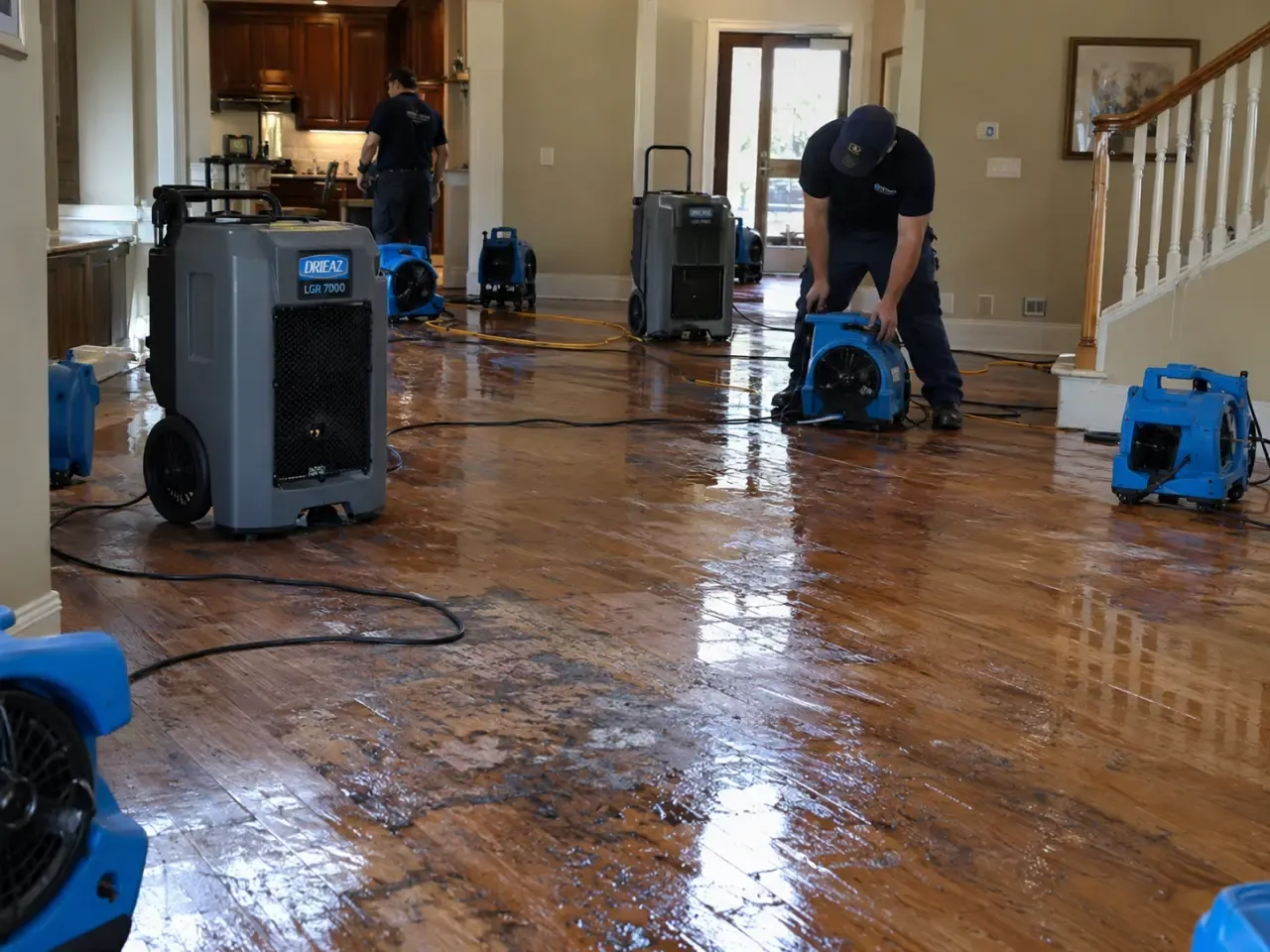
Talk with the local team
Request Sewage Backup Cleanup
Call Milwaukee Water Pros at (414) 567-3006 for emergency water mitigation, basement flooding, sewage backup cleanup, or a leak that has spread beyond its source. We take emergency calls 24/7 and will ask where the water is, what caused it, and whether anyone is at risk. Our service area includes Milwaukee County and neighborhoods such as Bay View, Riverwest, and Washington Heights.