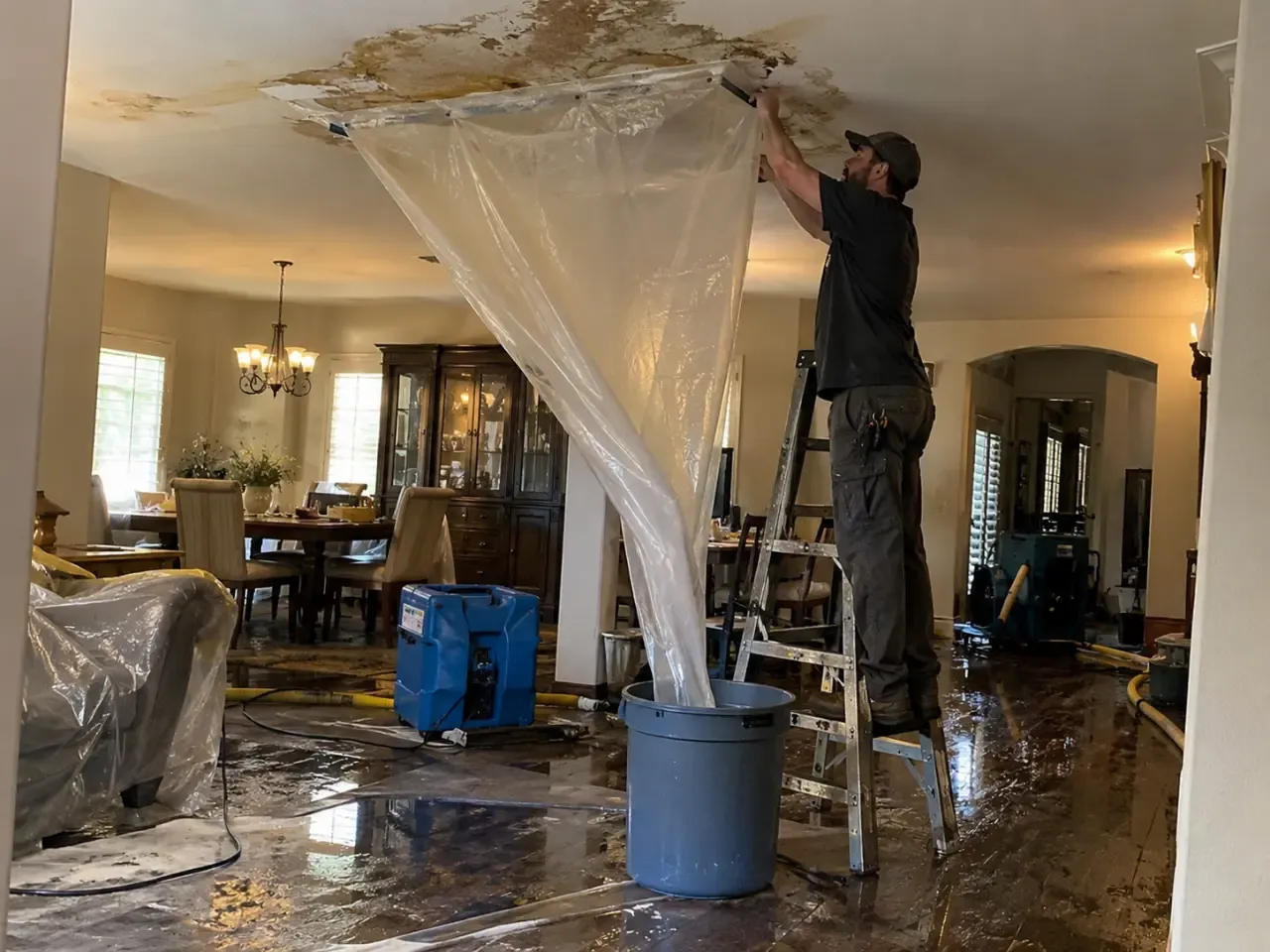
Dry the structure, not just the visible surface
Structural Drying and Dehumidification Milwaukee WI
Structural Drying and Dehumidification Milwaukee WI helps homeowners and property managers stop hidden water from damaging walls, floors, and framing after a leak or flood. Our Milwaukee structural drying services combine moisture readings, controlled airflow, and dehumidification to target wet materials instead of guessing. If you have a burst pipe, basement water, or an appliance leak, call us before damp drywall and carpet padding remain wet long enough to become a bigger repair.
Live dispatcherUpfront optionsBacked workmanship
What's included
What Structural Drying Includes
Our structural drying work covers inspection, moisture mapping, appropriate water extraction, equipment placement, and follow-up readings. We explain which materials are drying in place and which require removal because they are damaged or contaminated. Reconstruction, extensive contents cleaning, and mold remediation are separate work steps when the property needs them; we identify that need during the assessment so you can plan the full recovery.
Moisture assessment
We inspect affected rooms and take baseline readings from accessible materials, including drywall, flooring, and wood framing. Comparing those results with unaffected areas helps establish where water traveled. You receive a practical explanation of the wet boundary and the areas we plan to monitor.
Water extraction
We remove accessible standing water before drying begins, using extraction equipment suited to the amount and location. Getting bulk water out reduces the moisture load and exposes surfaces to airflow. Deep or contaminated water receives additional assessment before equipment is placed.
Drying equipment setup
We position air movers and dehumidification equipment to direct airflow across affected materials and remove moisture from the air. Placement is based on room layout, material, and initial readings. We show you which areas need clear access and explain normal equipment operation.
Progress monitoring
We take follow-up moisture readings and adjust the setup as materials respond. The check helps identify a slow-drying wall, a damp floor edge, or an area that needs further inspection. Drying ends when the readings support completion, not simply when the room feels comfortable.
Drying documentation
We track affected areas and readings so the progress and completion point are clear. The record supports decisions about equipment removal and helps you coordinate later repairs. If materials need removal or replacement, we explain how that work connects to the drying plan.
Service overview
Structural Drying and Dehumidification Milwaukee WI
Structural Drying and Dehumidification Milwaukee WI is a water damage restoration service that removes moisture from building materials and indoor air after a leak, flood, or other water intrusion. We first identify the wet area, record moisture readings, and assess which materials can be dried in place. Air movers direct airflow across wet surfaces while a commercial dehumidifier collects evaporated moisture. We check walls, flooring, and accessible framing rather than relying on a dry-looking surface. The goal is a documented drying process with readings that show when affected materials have returned to an appropriate dry standard.
Milwaukee homes and commercial properties face basement flooding, frozen or burst pipes, appliance leaks, stormwater intrusion, and sump pump failure. Older plaster, masonry foundations, and layered floors can hide water well beyond the visible stain, especially after a cold-season pipe break or spring thaw. Our water damage drying Milwaukee, Wisconsin work focuses on those concealed pockets as well as the room itself. For structural drying after water damage in Milwaukee WI, we map the affected materials, set equipment for the building conditions, and monitor progress so you know what is drying and why.
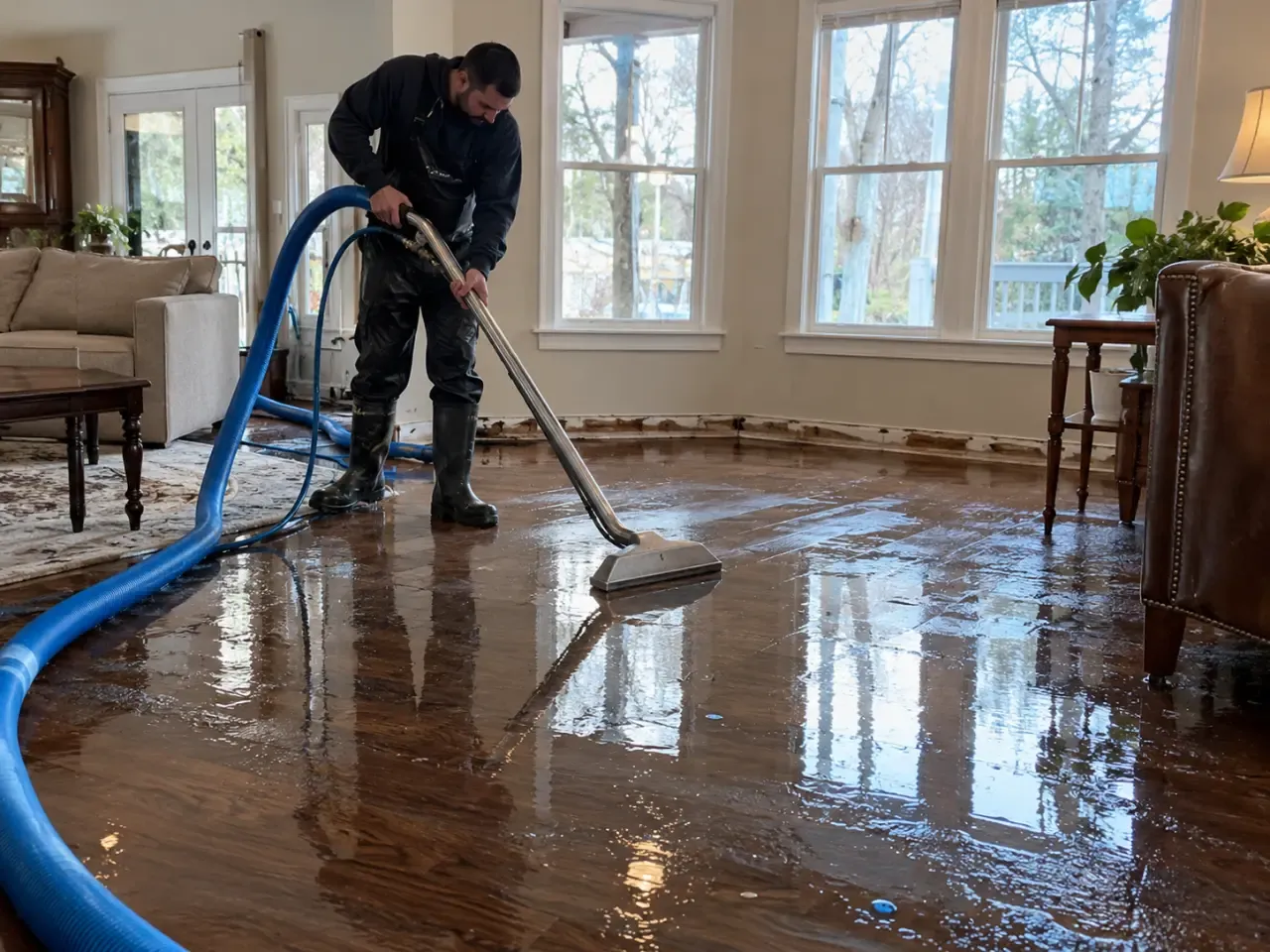
How we workWe verify the cause, compare realistic options, and confirm the repair before we leave.
The service timeline
What to Expect During Drying
The process flexes to the condition, but these checkpoints keep decisions clear.
Inspect and map
On the first visit, we identify the water source and inspect affected rooms, finishes, and accessible cavities. Our technician records baseline readings with a moisture meter and checks likely travel paths, such as a wall shared with a wet basement floor. This assessment often takes about 30 to 90 minutes for a typical residential area, depending on access and how far the water traveled.
Remove standing water
If water remains, we extract it before setting drying equipment. A portable water extractor handles localized water, while a truck-mounted water extraction unit can support larger extraction needs. For deeper standing water, a submersible sump pump may be used. Removing bulk water first reduces the load on dehumidifiers and helps us get airflow onto the materials that need attention.
Set drying equipment
We position air movers to create directed airflow across wet surfaces and place a commercial dehumidifier to pull moisture from the room air. The layout depends on the room, material, and readings; equipment is not simply placed at random. We explain which units need power and clearance, and we show you how to keep pathways open while the equipment runs.
Check readings daily
We return to check moisture levels, temperature, and humidity, then adjust equipment as drying changes. A thermal imaging camera can help identify a suspicious area, but we confirm the condition with direct measurements. Daily checks are common on active residential jobs, with visit frequency guided by progress. You will know which readings are improving and whether additional material removal is needed.
Confirm dry condition
We compare final readings with unaffected reference materials and the drying goals for the affected assembly. When readings show the materials are sufficiently dry, we document completion and discuss what comes next, such as replacing removed insulation or installing moisture-resistant drywall. The final check keeps equipment from being removed solely because the surface feels dry to the touch.
Tools & methods
Drying Tools and Methods
Purpose-built equipment, used by trained technicians, so the job is done accurately the first time.
Moisture meter
We measure moisture in accessible building materials and compare affected areas with dry references. Repeat readings show whether drywall, flooring, or framing is responding to the drying setup.
Air mover
Directed airflow across wet surfaces increases evaporation from materials. We position units to circulate air through the affected area without treating equipment placement as a substitute for monitoring.
Commercial dehumidifier
A commercial dehumidifier collects moisture released into the room air, supporting the drying process. We select placement and operation based on the room conditions and readings from affected materials.
Portable water extractor
We use a portable water extractor to remove accessible water from localized areas such as a room, carpet, or floor edge before setting drying equipment.
Thermal imaging camera
A thermal imaging camera helps locate temperature patterns that may indicate an area for closer inspection. We confirm suspected moisture with direct checks rather than treating the image as a moisture reading.
Dri-Eaz equipment
Dri-Eaz drying equipment can support controlled airflow and dehumidification on affected residential or commercial jobs. Equipment selection still follows material conditions, room layout, and recorded progress.
Use cases
When Structural Drying Is Needed
These examples show how the service framework adapts rather than forcing every call through one repair.
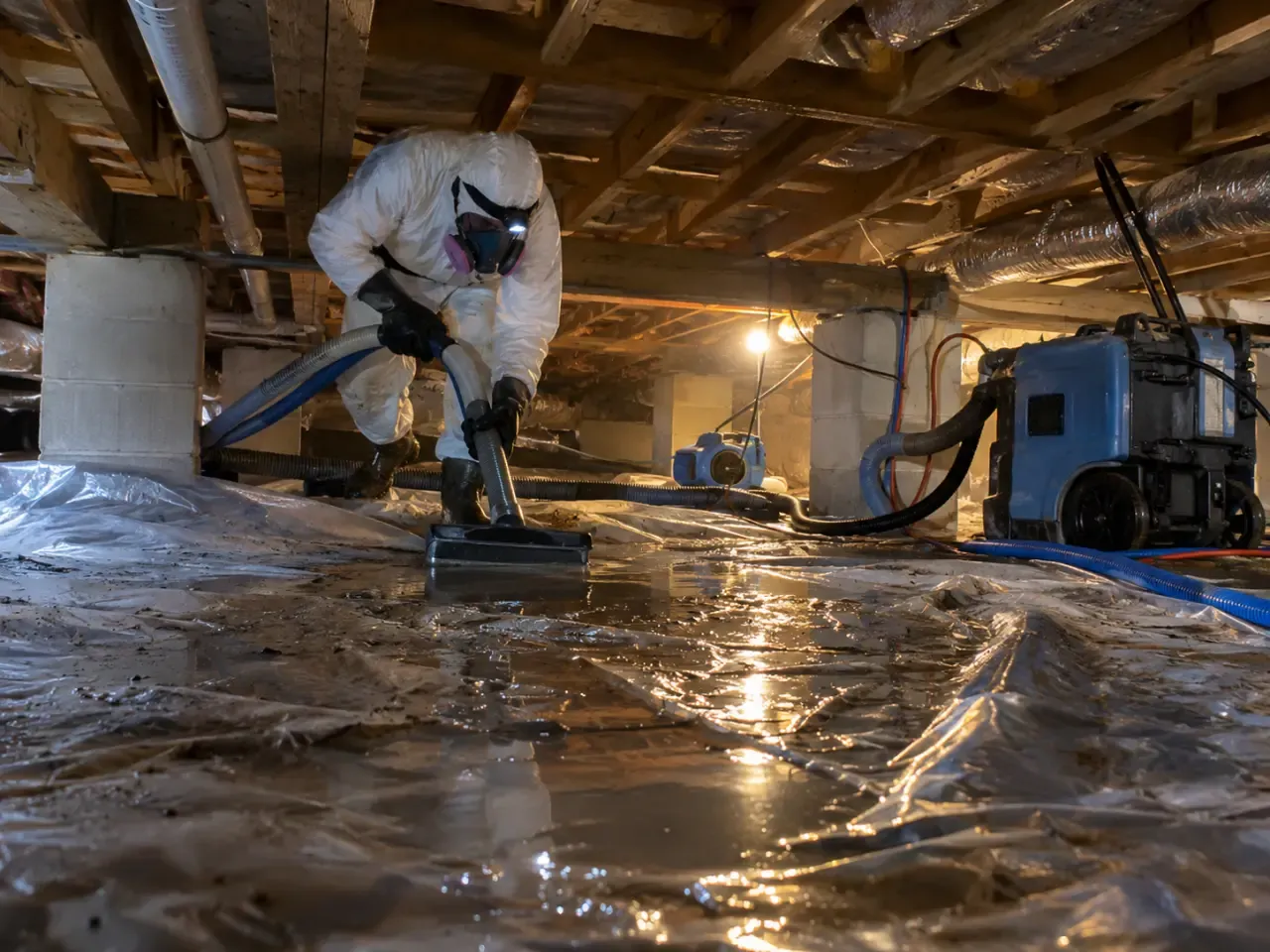
Pipe Leak Across Two Floors
A supply line leak soaked a second-floor room and left a ceiling stain in the room below. The upper floor felt dry after towels and household fans, but water had traveled beneath the finish and into the ceiling assembly. The occupants needed to know whether the stain was the full extent of the damage. → We checked the flooring and the ceiling below, mapped the affected boundary, and positioned air movers and a dehumidifier. Readings over 3 days showed progress in accessible areas, while a damaged ceiling section was identified for removal. The property owner had clear drying documentation before arranging finish repairs.
Commercial Shared-Wall Leak
An appliance leak in a commercial unit wet the floor near a shared wall. The visible water was cleaned up, but the neighboring unit reported a damp odor and the wall finish felt cool. The property manager needed to understand whether moisture had crossed the wall and how to limit disruption. → We inspected both sides of the shared wall, recorded readings, and placed dehumidification equipment where it would not block the main access route. Over 5 days, follow-up checks tracked improvement in affected areas and identified one finish section requiring repair. The manager could plan the next work using documented conditions.
Problems we solve
Problems Solved by Measured Drying
Milwaukee properties often look dry before hidden moisture has left the wall, floor, or insulation. Our approach traces water beyond the visible stain and matches the drying setup to the affected materials. Early inspection helps you address the source and the wet assembly before swelling, finish failure, or mold growth complicates the repair.
A basement floor dries while the lower wall remains damp
We inspect the perimeter and take readings at multiple points rather than judging the room by its open floor. If the wall assembly is wet, we direct airflow and dehumidification toward the affected section and monitor the readings. When insulation or drywall cannot be dried in place, we explain the removal and replacement path.
A pipe leak leaves water trapped beneath finished flooring
We check the floor edges, adjoining rooms, and accessible subfloor for moisture, then remove standing water and establish a drying setup. Readings show whether moisture is leaving the assembly. If the flooring blocks effective drying or has sustained damage, we identify that limitation before the finish is closed up again.
A commercial leak dampens several rooms and shared walls
We trace the wet boundary across connected rooms, document readings, and stage equipment to maintain access where possible. Our Milwaukee WI commercial dehumidification service monitors affected assemblies as they dry. The property contact gets clear updates on equipment locations, progress, and the point when repairs can move forward.
Floodwater or sewage leaves contaminated materials wet
We first assess the water source and affected materials, then handle cleanup and removal as required before setting a drying plan for retained structure. Our team does not treat sewage backup as a routine clean-water leak. Once the area is appropriate for drying, we monitor remaining moisture and coordinate the next restoration step.
Pricing process
Structural Drying Pricing
$500-$1,500 for contained drying; $1,500-$5,000+ for larger multi-room losses
Size of affected area
A single bathroom leak usually requires less equipment and monitoring than water across a basement or several rooms. The number of affected surfaces and how far water traveled influence inspection time, equipment quantity, and follow-up visits.
Material and access
Open flooring and accessible framing are easier to inspect than moisture trapped behind finished walls or beneath layered floors. Restricted cavities can require additional investigation or material removal, increasing labor and the time needed to confirm dry conditions.
Water removal required
Jobs with standing water need extraction before structural drying begins. The volume, depth, and location affect the equipment and time required. Basement flooding or water across multiple floors requires more work than a small, isolated damp area.
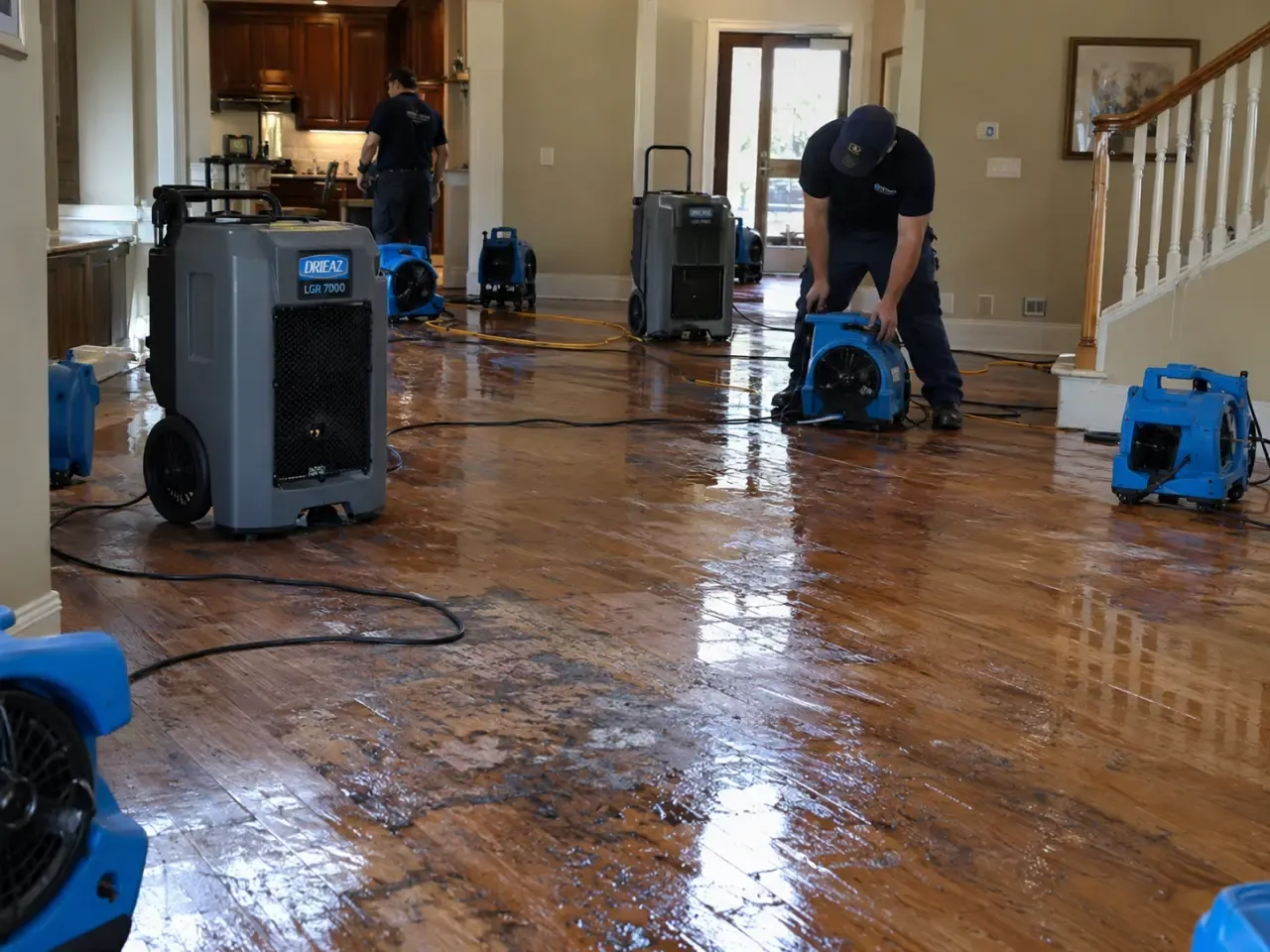
How does structural drying work after water damage?
Structural drying removes moisture from building materials by combining extraction, directed airflow, and dehumidification, then tracking readings until affected materials reach the drying goal. We inspect the wet area, remove standing water, and position air movers and a dehumidifier. Follow-up measurements guide equipment changes. For structural drying after water damage in Milwaukee WI, we also account for hidden moisture in walls and floors, because a dry surface can conceal a damp assembly.
How long does dehumidification take in a Milwaukee home?
Most residential structural drying takes about 3 to 5 days, while severe or concealed wet areas can take longer. The timeline depends on how much water entered, which materials are affected, indoor conditions, and whether wet drywall or insulation must be removed. We check readings during the job and adjust equipment as materials dry. If you are asking how long does structural drying take in Milwaukee, the measured condition of your home gives the most reliable answer.
Can professional drying prevent mold growth?
Prompt professional drying reduces the moisture conditions that support mold growth, but no drying service can promise prevention in every situation. We remove standing water, dry affected materials, and monitor readings so damp areas are not overlooked. If visible mold or contaminated water is present, the response may require additional remediation procedures. Early attention matters: call when you find a leak rather than waiting for a musty odor or discoloration.
How do technicians know when a building is dry?
Technicians confirm drying by comparing moisture readings in affected materials with suitable dry reference areas and documenting the results. We use a moisture meter and inspect the assembly, rather than relying on touch or appearance alone. Readings are checked over time because materials dry at different rates. Once the affected materials meet the drying goal, we record completion and explain whether any removed finishes still need replacement.
Related services
Services That Support Drying
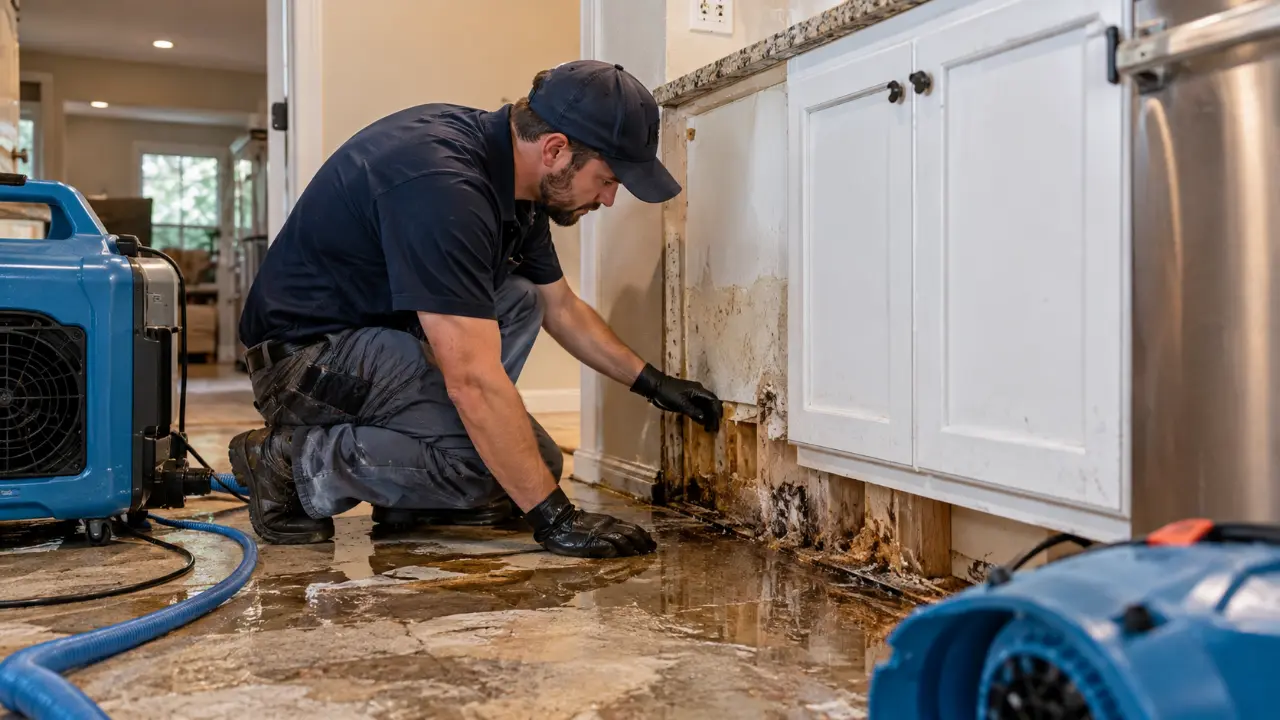
Emergency Water Extraction
Standing water must be removed before structural drying can work efficiently. We extract water from floors and accessible areas, then assess the materials beneath it. A quick transition from extraction to air movement helps reduce the time water sits against flooring, baseboards, and lower walls.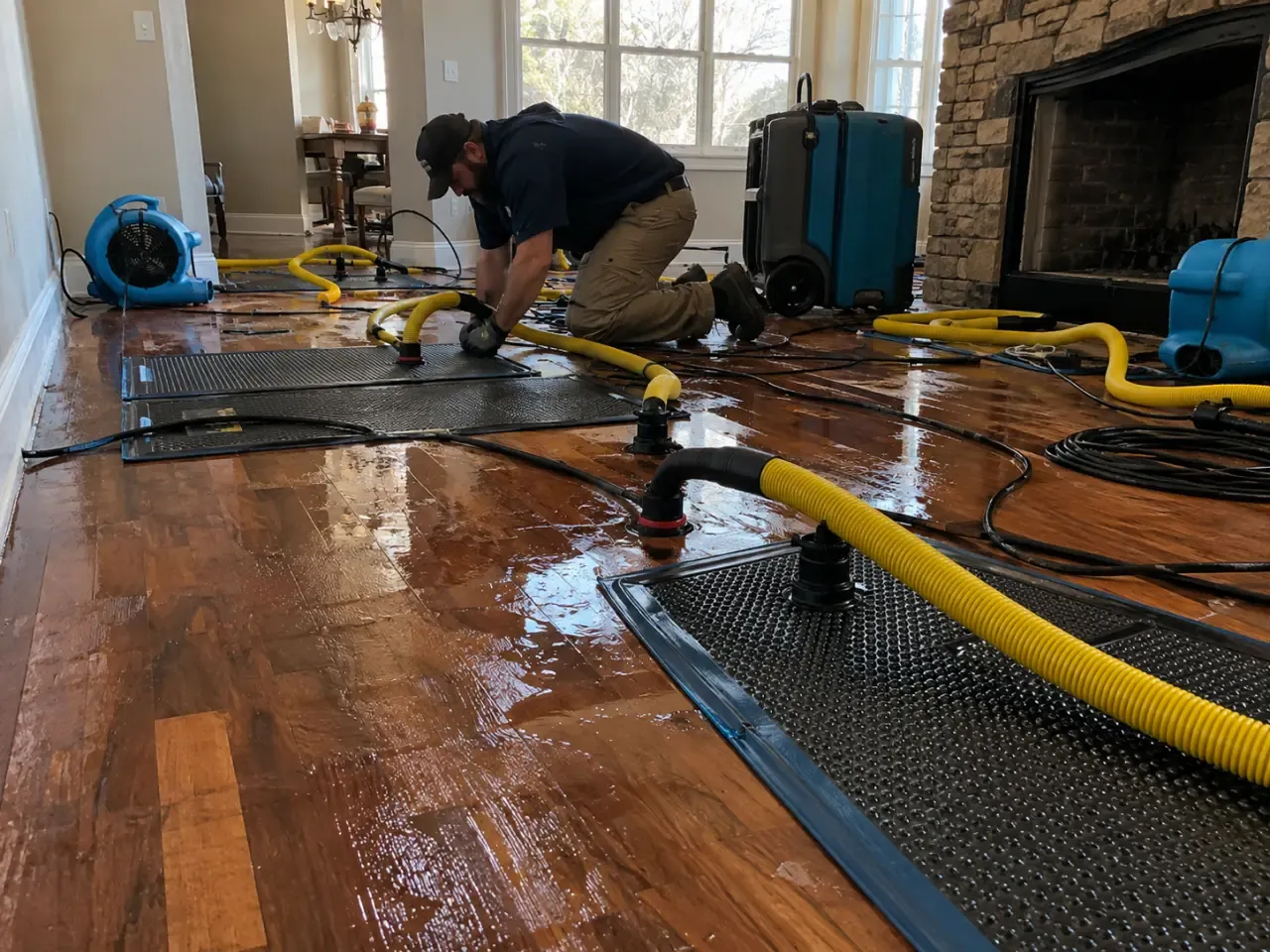
Water Damage Cleanup
Cleanup addresses debris and affected surfaces while drying targets moisture inside building materials. We coordinate the two so wet areas are cleared, inspected, and dried in sequence. This is useful after appliance leaks or pipe breaks that leave water across finished rooms and adjoining spaces.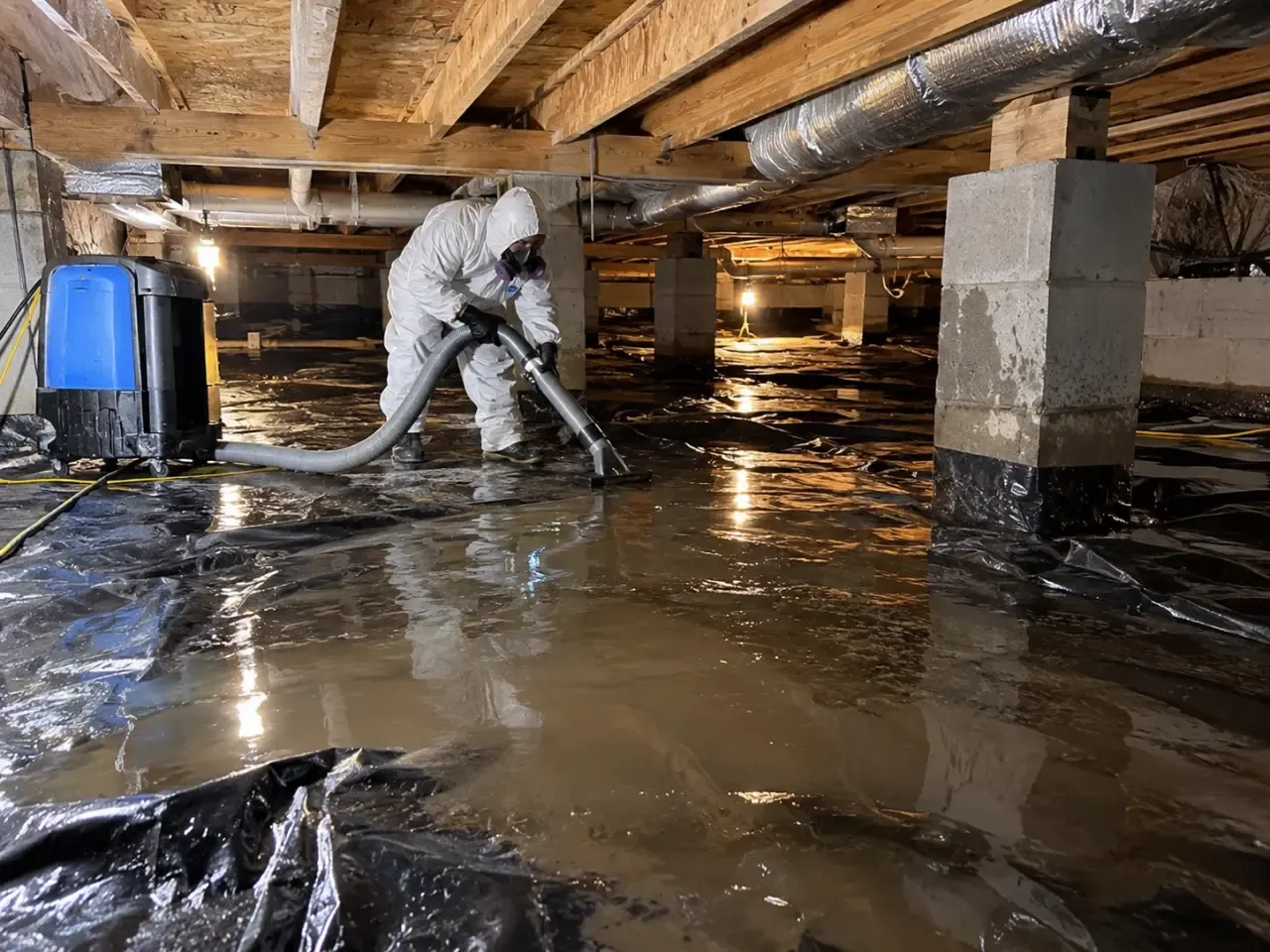
Basement Water Removal
A basement can hold water at floor level while moisture travels into wall assemblies and stored materials. We remove standing water, inspect the perimeter, and set drying equipment where readings show it is needed. If sump pump failure caused the flooding, we focus on drying the lower walls and floor as well as the open area.Ready when you are
Start Structural Drying Today
Wet framing and flooring do not dry reliably by guesswork. Call Milwaukee Water Pros at (414) 567-3006 to discuss the leak, the affected rooms, and the next drying step. We use documented moisture checks to guide the work and help you move from water intrusion toward repairs.
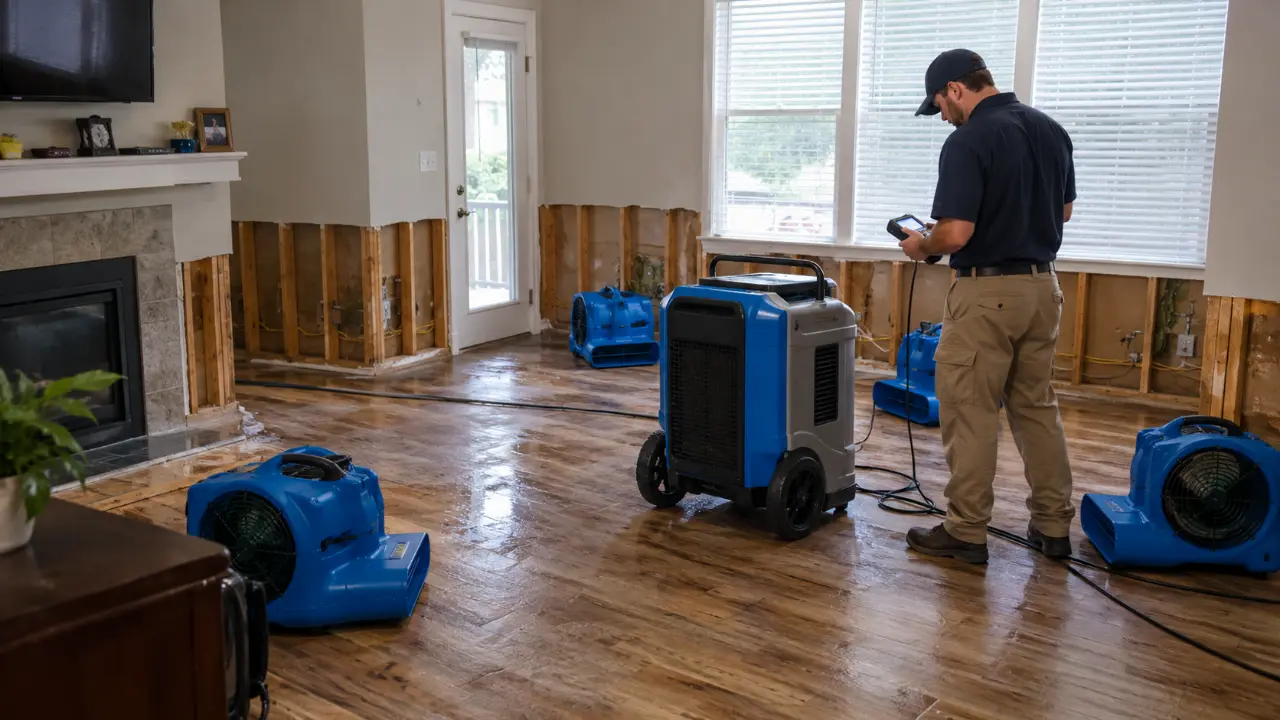
Talk with the local team
Request Structural Drying & Dehumidification
Call Milwaukee Water Pros at (414) 567-3006 for emergency water mitigation, basement flooding, sewage backup cleanup, or a leak that has spread beyond its source. We take emergency calls 24/7 and will ask where the water is, what caused it, and whether anyone is at risk. Our service area includes Milwaukee County and neighborhoods such as Bay View, Riverwest, and Washington Heights.